Hey everyone, and welcome to my little corner of the web—those who know me know I’m not one for super formal rants or stuffy research papers, especially when it comes to something as relatable as electric bikes (e-bikes for short) for kids. I’ve been in the e-bike game for over 8 years now, running my small, family-owned shop that’s all about getting people on two wheels safely, whether they’re 8 or 80. And let me tell you, the number one question I get from parents walking through my door isn’t “what’s the coolest model?” It’s “are e-bikes actually safe for my kid?” Electric Bike
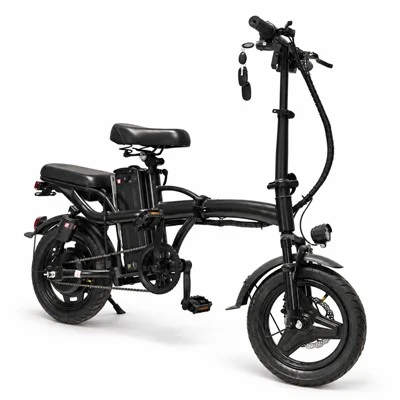
I get it—when you first hear “electric bike,” your brain probably jumps to those loud, souped-up adult ones that go twice the speed limit, right? But here’s the thing: kid-specific e-bikes are a totally different beast. I’ve seen parents hold back from buying one because they heard a random stat online or a friend of a friend had a bad experience, but most of that misinformation comes from mixing up kid models with full-size adult e-bikes. Let’s break this down like I would with a parent standing in my shop, holding a confused 10-year-old who’s already eyeing the neon green model by the window.
First, let’s talk speed because that’s what everyone fixates on. A lot of people assume kid e-bikes zoom at 20 mph, which sounds wild for a 7-year-old. But here’s the reality: most quality kid e-bikes max out at 12 to 15 mph, and the majority even have a “pedal-only” mode that keeps it under 8 mph—perfect for little ones who just want to ride like a normal bike without any extra boost. Some of our entry-level models even have a key fob that lets parents lock the top speed to whatever they’re comfortable with, like 10 mph, until their kid gets more confident. I’ve had a parent come back after three months, grinning, saying they cranked the speed to 14 mph now because their kid’s been tearing up the neighborhood and keeping up with all their friends on regular bikes. That’s the kind of win I live for.
But wait, you might be thinking—even 12 mph is faster than a regular kid’s bike. Is that extra speed a risk? Let’s get real for a second: a 10-year-old on a regular bike can absolutely hit 12 mph if they’re coasting down a small hill. The only difference is the boost, but that boost is designed to be responsive, not overpowering. Our kid e-bikes have a sensor that only kicks in when your kid is pedaling—so if they stop pedaling, the power stops instantly. No random surge of speed out of nowhere, which is a huge plus compared to some cheap no-name models you might see on Amazon that have throttle-only features (we never stock those, by the way—they’re a disaster for new riders).
Now, let’s talk about the big scary thing: crashes. I’m not gonna lie—any bike has a risk of falling, and e-bikes are no different. But here’s the data that actually matters, not the clickbait articles: the National Highway Traffic Safety Administration (NHTSA) did a study a couple years back that looked at bike-related injuries for kids under 16. They found that e-bike injuries were less common than injuries from regular bikes (wait, what?) when you account for how many people are riding each. Why? Because most parents don’t just hand a kid an e-bike and say “go for it.” They take time to teach them how it works, they start slow, and those speed-locking features mean kids don’t get in over their heads as easily as they might on a regular bike where they can hit a hill and panic.
I see this play out every week in my shop. Last month, a dad brought his 9-year-old daughter in, nervous as can be because she’d had a bad crash on a regular mountain bike last year. We set her up on our entry-level kid e-bike, locked the speed to 8 mph, and walked her through how the pedal assist works. By the end of the hour, she was riding laps around the shop parking lot, grinning so wide her cheeks had to hurt. A week later, her mom sent me a video of her cruising to the bus stop without holding back, and she said the biggest difference was that she didn’t get winded halfway like she used to on her old bike. No more begging to turn back, no more tantrums because her legs were tired—just happy, steady riding.
But here’s the catch: safety is 50% the bike, and 50% the rider. I can’t tell you how many times I’ve seen a parent buy a fancy e-bike, skip the basics, and then wonder why their kid crashed. So let’s talk about the non-negotiables for kid e-bike safety, stuff we make sure every customer leaves our shop knowing.
First up: helmet. Duh, right? But not just any helmet. Regular bike helmets work, but we actually recommend kids get a slightly more robust one that fits well—snug under the chin, no gaps around the forehead. Last year, a kid came in who’d crashed his e-bike and his helmet was a full size too big. He was okay, but his mom told me she’d just borrowed a helmet from a cousin because she thought “any helmet works.” We don’t do upsells here, but we always suggest a proper fit, and we even have a $20 extra helmet for families on a budget that’s certified for e-bikes. It’s not the fanciest, but it does the job.
Second: teach them how to use the power (or lack thereof). I can’t stress this enough. When your kid gets on an e-bike, start with pedal-only mode—no assist, no nothing—until they’ve ridden for 10 minutes without wobbling. Then, turn on the lowest assist level and have them practice going slow, stopping, turning. Most kids pick this up in 20 minutes tops, but some need a day or two, and that’s totally fine. Rushing this step is how people get hurt. I’ve seen a parent let their kid use full assist on day one, and the kid panicked when the bike surged up a driveway, fell, and scraped their knee. That’s not the bike’s fault—it’s skipping the basics.
Third: match the bike to their size. This is a huge one. A lot of parents see a cool e-bike and buy the biggest size their kid can “grow into,” but that’s a mistake. If the bike is too big, they can’t reach the ground when they stop, which makes them way more likely to tip over. All our kid e-bikes have adjustable seat posts and handlebars, but even so, we have a rule: when your kid is standing over the top tube, they should have at least 2 inches of clearance. That way, if they have to put their foot down fast, they can. Last week, a mom came back and swapped a bike for her 11-year-old because it was too tall—she’d bought it for a “growth spurt” and it took her kid three tries to stop without tipping. Now she has a perfect fit, and she’s riding way more confidently.
Wait, what about battery fires? I know that’s another big fear people bring up, especially after those viral stories of e-bikes starting fires in apartments. But again, that’s almost always from cheap, uncertified batteries, not the ones we use. All the e-bikes we sell have batteries that are UL 2271 certified—basically, they go through 100+ tests to make sure they don’t overheat or catch fire. We never stock no-name brands that use cheap batteries, and we give every customer a guide on how to charge safely: don’t leave the battery plugged in overnight, don’t charge it on a soft surface like a bed or couch, and don’t use a charger that didn’t come with the bike. It’s simple stuff, and I’ve never had a customer have a battery issue in 8 years.
Now, let’s get real about when an e-bike is actually the right choice. If your kid is super casual, only rides around the driveway occasionally, a regular bike is probably fine. But if you have a kid who’s tired of being the last one to the park, who gets winded riding to a friend’s house, or who just doesn’t like riding because it feels like a chore—then an e-bike can be a game-changer for their confidence and safety. Wait, confidence? That’s a big one. A kid who feels in control isn’t gonna take stupid risks, right? I’ve had so many parents tell me their kid was too nervous to ride their bike on the street, but on an e-bike, they feel steady and in charge. That’s not just a fun perk—that’s a safety win.
But let’s not gloss over the risks that are real, no matter what kind of bike you ride. The biggest one I see isn’t the e-bike itself—it’s distracted riding. Kids are kids, they look at a cat, or a friend, or their phone (yes, even on bikes) and they swerve without looking. That’s on us as parents to teach them to stay focused, not on the bike being an e-bike. We have a little poster in our shop that says “Eyes up, hands down” and we make every kid read it before they take their first test ride. It’s simple, but it works.
Another thing: accessories. Lights! Even if your kid only rides during the day, we recommend putting a front and rear light on the bike—street cars don’t always see kids, and bright lights make a huge difference. We have tiny, cheap LED lights that attach to the handlebars and seat post, and I can’t tell you how many times a customer has said those lights stopped a near-miss with a parked car. Also, maybe a bell? Not a loud one, one that’s easy for a kid to ring when they’re coming up on someone. Small stuff, but it adds up.
Now, I know some of you are still skeptical, and that’s totally okay—you should be. I wouldn’t be in this business if I didn’t care about keeping kids safe. That’s why we don’t pressure anyone to buy an e-bike; if a regular bike is a better fit for your family, we’ll help you pick out the best one, no hard feelings. But for those who are on the fence, I want you to know that kid e-bikes aren’t the death traps some articles make them out to be. They’re just bikes with a little extra help, designed to make riding more fun, more accessible, and yes, safer for kids who might get overwhelmed by regular bikes.
Wait, let’s circle back to that NHTSA study I mentioned earlier. They actually found that when kids use e-bikes, they get more exercise, which is a win for their overall health, and they have more consistent riding skills because they’re not quitting halfway through a ride. And when you pair that with the safety features we build into our bikes—speed limits, responsive power, certified batteries—you’ve got a product that’s way safer than a lot of the stuff kids use these days.
I’ve seen a lot of trends come and go in the e-bike world, but the one that sticks with me the most is when a kid comes back to the shop a year later, on their now slightly-too-small e-bike, and says they just got a regular bike because they’re ready to ride without the assist. That’s the best part—e-bikes aren’t replacing regular bikes, they’re a stepping stone. They build confidence, they teach kids how to handle a bike with a little extra weight and power, and when they’re ready, they move on to the next thing. That’s what it’s all about, right? Getting kids out on two wheels, not scared to ride.
So, to wrap this up: are electric bikes safe for kids? The short answer is yes, when you pick a kid-specific model, teach your kid the basics, and follow simple safety rules. The wrong e-bike (cheap, uncertified, too big, no speed limits) is definitely a risk, but that’s why we’re here—to help you find the right fit for your family, no pressure, no weird sales tactics.

If you’ve got more questions—whether it’s about speed limits, helmet fit, battery safety, or even which model works best for a 7-year-old vs. a 12-year-old—don’t hesitate to reach out. We love talking e-bikes, and we love making sure every kid who rides with us feels safe and excited to get back on their bike the next day. No stuffy experts, no jargon—just real talk from someone who’s been in the trenches for years.
EFI Street Bike References: National Highway Traffic Safety Administration. (2022). Bicycle-Related Injuries Among Children and Adolescents. Journal of Safety Research; Consumer Product Safety Commission. (2023). E-Bike Safety Guidelines for Youth Riders; The League of American Bicyclists. (2021). Youth E-Bike Usage and Safety Outcomes.
Shandong Tuowei Locomotive Co., Ltd.
Shandong Tuowei Locomotive Co., Ltd. is one of the most professional electric bike manufacturers and suppliers in China. With abundant experience, we warmly welcome you to wholesale high quality electric bike at competitive price from our factory. If you have any enquiry about cooperation, please feel free to email us.
Address: No.7, Area E, Advanced Manufacturing Industrial City, Middle Section of Zizhou Avenue, Gaojia Community, Zichuan Economic Development Zone, Zibo City, Shandong Province, P.R.China
E-mail: sales@torvexmoto.com
WebSite: https://www.torvexmoto.com/
