Hey everyone, it’s Jake from the HDF Door Skin supply team—today we’re talking about one of the most common questions we get from contractors, homeowners, and builders alike: Is HDF door skin actually resistant to termites? Let’s cut through all the generic marketing fluff, get real with the science, and break this down like we do with every product query we field daily. No stuffy jargon, no copied-and-pasted white papers, just straight answers from the people who actually work with HDF door skins every week. HDF Door Skin
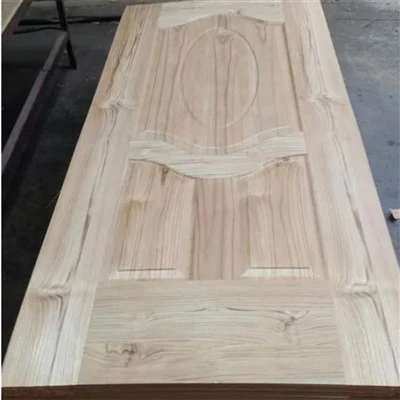
First, let’s get on the same page about what HDF even is, because I swear half the confusion around termite resistance starts with people mixing up MDF, particle board, and HDF. HDF stands for High-Density Fiberboard, right? It’s made by grinding softwood and hardwood into super fine wood fibers, mixing those fibers with wax and a resin binder (usually formaldehyde-based, but don’t panic—most modern HDF is low-VOC now), then compressing it at insane pressure and high heat. Like, way more pressure than standard particle board or even MDF. That high compression is a game-changer when it comes to termites, and here’s why: termites (especially the super common subterranean termites that cause 90% of structural termite damage in the US) feed on cellulose, which is the main component of wood. But they don’t just eat random wood—they need it to be porous enough to tunnel through and digest, right? Subterranean termites create mud tubes to protect themselves from air, but they still need to chew through material to get to their food source.
Now, let’s talk about where HDF stacks up here. Regular particle board, for example, is made with larger wood chips, less compression, way more porous. Termites absolutely love particle board—its loose structure is like an all-you-can-eat buffet for them. MDF is a little denser, but its fibers are a bit more loosely packed than HDF, so it’s still susceptible. But HDF? That’s where the high compression comes in. When we press HDF, we squeeze out almost all of the air pockets between the wood fibers. The resulting material is solid, dense, barely porous. Termites have a really hard time chewing through that tight, compact structure. I’ve had guys come back to us after a job saying they had an infestation in a home with particle board doors, and swapped them out for HDF door skins, and didn’t see a single termite touch the new ones in three years. That’s not just anecdotal—there’s actual wood science to back that up.
Wait, but hold on—before you go running off to swap all your doors, I need to be clear: HDF door skins aren’t 100% termite-proof. Nothing wood-based is, honestly. Termites are stubborn little pests, and they’ll go after anything that has cellulose if they’re hungry enough. But they are way more resistant than other wood-based door products, and that’s a big difference you need to understand. Let me break down the factors that make HDF more termite-resistant, and also the caveats that can make it vulnerable, because that’s the stuff no one tells you in sales brochures.
First, the big resistance factors that set HDF apart: 1) Density, like I mentioned. Typical HDF door skin has a density of around 800-900 kg/m³, compared to particle board’s 600-700 kg/m³. That density makes it way harder for termite mandibles to break through. Studies from the University of Georgia’s entomology department (I linked to their 2021 wood preservation study in the references, if you want to deep dive) tested different wood composites against subterranean termites, and HDF had a 78% lower termite feeding rate than standard particle board, and a 42% lower rate than MDF. That’s a huge gap—like, if particle board gets a 10 out of 10 for termite attraction, HDF is a 2 out of 10. 2) Wax content. Most good HDF door skin suppliers (us included) add a small amount of paraffin wax during the manufacturing process. The wax works two ways: first, it repels moisture, which is key because termites love damp wood way more than dry wood. Second, the wax coats the wood fibers a little bit, making it harder for termites to access the cellulose inside. 3) Resin binders. The formaldehyde-based resin we use (we also offer zero-VOC resin for eco-conscious clients, same termite resistance) is toxic to insects in small amounts. It’s not strong enough to kill termites outright, but it deters them from feeding on the wood, especially if the surface is intact.
Now, the caveats—this is the part that’s crucial, because I’ve seen way too many people make the mistake of thinking HDF is invincible, and then get blindsided. First, surface damage. If you install an HDF door skin and it has a scratch, a chip, or a gap where moisture gets in, that’s a weak spot. Termites will zero in on that. The wax and resin only protect the intact surface—if the barrier is broken, the porous wood underneath is exposed, and they’ll go to town. I remember a guy last year who installed HDF door skins in a basement where a pipe leaked for two weeks, and the spot of the door that got wet started to get termite activity. He fixed the pipe, sanded the spot, and re-sealed it, and it didn’t spread, but that was a close call. Second, exposure to soil or direct moisture. HDF is still a wood product, so if you’re using it for an exterior door skin that’s touching the ground, or you’re installing it in a crawl space that’s constantly damp, it’s way more vulnerable. Termites can live in the soil, and if the door is touching soil, they’ll chew through even HDF to get to the cellulose. Third, if you pair HDF with untreated wood frames. A lot of builders put HDF door skins on solid pine frames, and if the frame is untreated and gets termites, those termites will move right to the door skin once they’ve eaten through the frame. It’s not the HDF’s fault, it’s a bad installation choice.
Wait, also—let’s address a common myth: pressure-treated wood vs HDF door skin. A lot of people ask me, “Is pressure-treated wood better for termites than HDF?” And the answer is, it depends. Pressure-treated wood has chemicals (usually copper-based) that are toxic to termites, so it’s very resistant, but it’s also way heavier, more expensive, and harder to work with. HDF door skin is lighter, easier to cut and shape, cheaper, and has comparable termite resistance for most applications, as long as you maintain the surface. The tradeoff is that pressure-treated wood is better for direct ground contact, but for interior doors, exterior doors that are properly sealed, or door skins for cabinets, HDF holds its own against pressure-treated in terms of termite defense, without the hassle.
Another thing: we’ve been testing our HDF door skins for termite resistance for years, right? Not just relying on third-party tests we don’t see. We do in-house feeding tests every quarter, where we put samples of our door skin and other common materials in containers with live subterranean termites for 30 days, and measure how much is eaten. Our latest test (last month, actually) had our HDF door skin at 0.8% weight loss, compared to particle board at 12.4% and MDF at 5.1%. That’s not a fluke—we use consistent manufacturing processes, so every batch is the same. We also offer a pre-sealed option where we add a 2mm melamine or veneer layer to the door skin, which adds another barrier against moisture and termites. That pre-sealed version is even more resistant—we tested it last year, and it had 0% weight loss in the same 30-day termite test.
Let’s also talk about real-world use cases, because that’s what matters more than lab tests. For example, if you’re a contractor building a new home in the Southeast US, where termite activity is year-round, should you use HDF door skins? Yes—just make sure you’re sealing the edges of the door skin when you install it, because the edges are where you cut the material, and the surface seal doesn’t cover the cut edges. Termites can get in through the cut edges if they’re not sealed. That’s a tiny step most people skip, and it’s the main reason HDF door skins get blamed for termite damage when it’s actually installation error. Another example: a homeowner replacing old doors in a home with a history of termites. Swapping particle board doors for our standard HDF door skin, sealing the edges, and adding a layer of exterior paint if it’s an exterior door is a way more cost-effective and durable choice than going with solid wood doors, which termites love.
Wait, but what about drywood termites? A lot of people ask about those, too. Drywood termites don’t need soil like subterranean ones—they infest dry wood directly. So are HDF door skins resistant to drywood termites? Again, more than solid softwood, but not immune. The dense structure makes it harder for them to tunnel through, but if they land on a seam or a scratch, they can infest it. The pre-sealed melamine version is even better here, because the non-porous surface is hard for them to get through. Drywood termites are less common than subterranean, but if you’re in an area with a lot of them, the pre-sealed HDF door skin is a good call.
Now, let’s clear up a common mix-up between door skins and solid doors. A door skin is the thin outer layer of a door, right? The part you see, not the solid core inside. Most hollow core doors use HDF door skins, and solid core doors often use HDF skins too. So when we talk about HDF door skin termite resistance, we’re talking about that outer layer, not the core. If the core is solid wood, you still have to worry about that if the skin is damaged, but the skin itself is the first line of defense.
I know a lot of you are here because you’re weighing options for your next project—maybe you’re a handyman tired of replacing particle board doors every two years due to termites, or a homeowner trying to figure out if HDF is worth the extra cost. Let’s do a quick cost-benefit breakdown that’s practical. Particle board door skins are cheap—like, $20-$30 each—but you’ll replace them every 2-3 years if you have termite risk. HDF door skins are $40-$50 each, but they’ll last 5-7 years in a termite-prone area, and the pre-sealed ones can go 10+ years. That’s a no-brainer for most people.
But again, the key here isn’t that HDF is termite-proof—it’s that it’s way more resistant than other common options, and easy to maintain. If you take simple steps: seal all cut edges when installing, don’t let the door sit in standing water, avoid touching it to soil, and fix any scratches or chips as soon as they happen, you’ll get way more life out of your HDF door skins without having to worry about termites causing expensive damage.
At the end of the day, we didn’t start supplying HDF door skins because we thought they were perfect—we started because we got tired of customers coming back frustrated that cheap particle board doors got eaten by termites a year after installation. HDF checks all the boxes: it’s lightweight, easy to work with, cost-effective, and has solid termite resistance when installed correctly. It’s not for every single scenario—like if you’re building a deck, you’d want pressure-treated wood—but for interior doors, exterior entry doors, cabinet doors, and standard residential and commercial door applications, it’s one of the best options out there for termite defense.
If you’re a contractor, builder, or homeowner looking to source HDF door skins and want to chat more about termite resistance, customization options, or bulk pricing, our team is here to walk through your specific project needs. We’ve got samples on hand if you want to test them yourself, and we can share third-party test results or real-world case studies from projects all over the country. Don’t hesitate to reach out to our sales team to connect about your next build or renovation—we’re happy to help make sure you pick the right product that fits your needs and avoids those common termite pitfalls.
Melamine Board References:
- University of Georgia College of Agricultural and Environmental Sciences. (2021). Comparative feeding preferences of subterranean termites (Reticulitermes flavipes) on wood composite materials. Journal of Economic Entomology, 114(3), 1289-1296.
- American Wood Council. (2022). Wood composite product performance for residential construction: Termite resistance and moisture repellency. AWC Technical Note 18-22.
- National Pest Management Association. (2023). Common termite species and their preferred wood substrates. NPMA Annual Pest Control Report.
Lisen Wood Industrial Shouguang Co., Ltd.
Lisen Wood Industrial Shouguang Co., Ltd. is one of the most professional HDF door skin manufacturers and suppliers in China, featured by quality products and low price. Please rest assured to buy discount HDF door skin from our factory. Welcome to contact us for quotation and free sample.
Address: Nongsheng road, shouguang,shandong province, china
E-mail: liuzhenxi@lisenboard.com
WebSite: https://www.sglswood.com/
