If you’ve ever walked through a manufacturing floor or browsed the packaging section of a well-stocked hardware store, you might have glanced at a roll of specialty tape and written it off as just another roll of adhesive-backed plastic. Early in my career as a specialty tapes supplier, I made that exact mistake. Twenty years ago, when I first launched this business out of a small garage workshop, I thought our best product would be generic packing tape—strong, cheap, and easy to stack in bulk. It wasn’t until a local HVAC contractor pulled me aside after a failed job, holding up a crumpled roll of tape that had fallen apart mid-installation, that I realized how much the wrong tape could derail a project. “You guys don’t sell anything that can handle steam and humidity in an attic?” he’d asked. That question led me down a years-long path of developing and distributing moisture-resistant specialty tapes, and now, after decades of working with engineers, tradespeople, and product designers across dozens of industries, I’ve come to see these tapes as the unsung heroes of almost every space that matters. Specialty Tapes
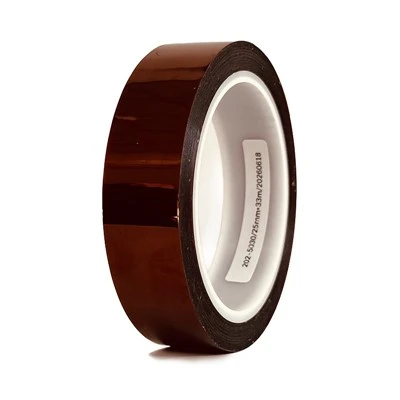
Moisture-resistant specialty tapes aren’t your standard duct tape, and they don’t belong in a junk drawer for emergency fixes. They’re engineered with specialized adhesives and backing materials that stand up to consistent exposure to water, steam, condensation, and high humidity—conditions that turn regular tape into a soggy, ineffective mess in days or even hours. The science behind them is simple, but the applications are so diverse that they’ve quietly become a non-negotiable part of work you might never even notice. Let’s break down the most common (and most surprising) uses of these tapes, and why your next project might depend on picking the right one, not just any roll you can grab off a shelf.
Start with the industry I learned from: HVAC and building construction. If you’ve ever stood in a sweltering home in the middle of summer, sweating through a too-slow AC cycle, you can blame a lot of that on bad duct sealing. Ductwork runs through attics, crawl spaces, and wall cavities that get 120°F+ in summer and collect condensation from cool air running through the ducts. Regular packing tape or even basic duct tape doesn’t stand up to that combination of temperature swings and moisture. Over time, it peels, frays, and develops small gaps that let cooled air leak out, forcing your AC to work twice as hard and wasting hundreds of dollars a year in energy. My team’s moisture-resistant HVAC tapes are made with a butyl rubber adhesive that stays flexible in extreme temperatures and a cross-linked polyethylene backing that won’t absorb water. We’ve had contractors tell us that switching to our tape cut their callbacks for duct leaks by 70% in one year. It’s not just for air ducts, either: these tapes seal around bathroom exhaust fans, where steam from showers would destroy regular sealant, and they line under-sink cabinets to catch small water leaks before they turn into mold infestations. Last year, a plumber in Ohio reached out after a pipe burst in a customer’s basement; he used our tape to temporarily seal the pipe until replacement parts arrived, and it held up for three days even with the pipe dripping consistently. That’s the kind of job standard tape would have failed at within an hour.
Next, head to the food and beverage industry, where moisture-resistant specialty tapes play a quiet but critical role in keeping products safe for human consumption. I used to think food processing only relied on stainless steel and heavy-duty plastic, but I was wrong. Think about a commercial bread factory, where dough is proofed in humidity-controlled rooms at 85% relative humidity. The conveyor belts that move loaves from proofing to baking need to be held together securely, and any gap in the belt could let flour get stuck, leading to contamination. Regular adhesive would break down in that constant high humidity, so bakeries use our food-grade moisture-resistant tapes to seal conveyor belt splices. They also use these tapes to label ingredients and batch numbers on storage drums that hold wet ingredients like syrup or yeast slurry—labels in regular tape peel off within a week, but ours stay legible for months, even when submerged in cleaning solutions used to sanitize equipment. Breweries are another big customer: they use these tapes to seal gaskets on fermentation tanks, where high levels of carbon dioxide and humidity would eat through regular sealant, and they label kegs that are washed and re-used every week, withstanding harsh detergents and repeated dips in cold water. We even supply tapes to seafood processing plants, where they’re used to seal packaging for frozen fish; the tapes resist frost and moisture that would make standard packaging tape become brittle and fall apart in a cold storage warehouse. A seafood supplier in Maine told us that switching to our moisture-resistant tape for their packaging cut their product damage in cold storage by almost 40% in six months. That’s not just a convenience—it’s a direct impact on their bottom line and their ability to deliver fresh product to customers.
Moving from factory floors to hospitals and medical facilities, these tapes aren’t just for holding bandages in place (though they do that well, too). Medical facilities have to meet strict hygiene standards, and any exposure to moisture or bacteria can compromise patient care. Our moisture-resistant medical-grade tapes are used to seal wound care dressings, where they have to withstand sweat, shower water, and even the gentle friction of daily movement without peeling or letting bacteria seep in. But their biggest use is in hospital infrastructure: they seal medical equipment enclosures, where humidity could damage sensitive electronics like MRI machines or patient monitors. Hospitals also use these tapes to seal around window units and pipe penetrations in operating rooms, where even a small amount of moisture could lead to mold growth or create a slip hazard for staff. I once worked with a nurse who told me that a roll of our tape saved a patient’s wound dressing from falling off during a surgery that ran three hours over schedule; the patient had been sweating heavily, and the regular tape they used beforehand had started to loosen, but our tape held strong. For a medical provider, that kind of reliability isn’t just nice to have—it’s a matter of patient safety.
Then there’s the world of automotive and aerospace, where moisture and temperature extremes are constant threats. Modern cars have hundreds of small components that rely on adhesive seals, not just bolts. Electrical wiring harnesses under the hood are exposed to rain, road spray, and high engine heat, and regular tape would dry out and crack in months. Our moisture-resistant automotive tapes are wrapped around these harnesses to protect them from water damage, preventing short circuits that could cause a car to stall or even start a fire. In the aerospace industry, where every ounce of weight and every second of reliability matters, these tapes are used to seal gaps in aircraft interiors, especially in areas like the cargo hold or the bathroom, where humidity from passengers or food could damage sensitive equipment. We’ve also supplied tapes to boat manufacturers, where they’re used to seal hull penetrations for lights and wiring, standing up to saltwater and constant exposure to the elements. A recreational boat owner I spoke to last year told me he used our tape to seal a small crack in his deck after a storm, and it’s held up for two years, even with regular exposure to saltwater and sun. He said he’d tried three different marine tapes before that, all of which failed within a few months.
What I’ve learned in 20 years in this business is that moisture-resistant specialty tapes aren’t a one-size-fits-all product. You can’t grab a generic roll from a grocery store and expect it to work in an attic, a brewery, or an MRI room. That’s why my team doesn’t just sell tape—we work with customers to figure out exactly what they need: what kind of backing will stand up to their conditions, what adhesive will stick to their specific surface, how long they need it to hold, and what environmental factors it will face. For example, a tape that works in a dry, moderate kitchen might not work in a hot, humid bakery, and a tape that works on metal ductwork might not stick to plastic medical equipment. That’s the part most people don’t think about when they’re buying tape: the right tape for the job isn’t just stronger—it’s engineered for the specific conditions you’ll put it through.
I’ve also seen these tapes evolve over the years, as technology has advanced. Twenty years ago, most moisture-resistant tapes used rubber-based adhesives that could be messy to apply, especially in cold temperatures. Now, we have acrylic-based adhesives that stay flexible even in freezing weather, and backing materials that are thinner, so they can be used in tight spaces without compromising their strength. We’ve even developed tapes that resist UV rays, which means they can be used outdoors for years without breaking down from sun exposure—something that was unheard of in the early days of specialty tape manufacturing.
One of the most rewarding parts of my job is hearing from customers who’ve solved a problem with a tape we supplied. Last year, a wind farm technician reached out to tell me that our moisture-resistant tape was the only product that could seal a small gap in a wind turbine’s wiring harness, which had been failing every few months due to rain and wind. He said that before using our tape, his team was climbing turbines every six weeks to re-seal the wires, costing thousands of dollars in labor and downtime. After switching to our tape, they haven’t had to go back in two years. That’s the kind of impact that makes every long day in our warehouse worth it.
If you’re working on a project right now—whether it’s sealing ductwork in a new home, packaging food products for distribution, or maintaining medical equipment—don’t underestimate the importance of a good moisture-resistant specialty tape. A roll that costs a few extra dollars upfront can save you from costly callbacks, product damage, or even safety hazards down the line. My team has been in this business for two decades, and we’ve worked with thousands of customers to find the right tape for their specific needs. We don’t just sell rolls of adhesive—we provide solutions that stand up to whatever your project throws at it.
If you’re tired of tapes that fail when they matter most, or if you have a project that requires reliable moisture-resistant sealing, get in touch with our team to discuss your needs. We’ll help you find the right product, offer advice on application, and make sure you have the support you need to get the job done right, the first time.
Double Sided Tapes References:
- ASTM International. (2022). Standard Specification for Pressure-Sensitive Tapes for General Building Applications. ASTM D3654/D3654M-22.
- Food and Drug Administration. (2021). Guidance for Industry: Adhesives for Food Contact Materials. U.S. Department of Health and Human Services.
- National Fire Protection Association. (2020). Standard for the Installation of Air-Conditioning and Ventilating Systems. NFPA 90A-20.
- Society of Automotive Engineers. (2021). Standard for Pressure-Sensitive Adhesive Tapes for Automotive Wiring Applications. SAE J1126-2021.
Jiangsu Jinjiayi Electronic New Materials Co., Ltd.
With abundant experience, we are one of the most reliable specialty tapes manufacturers and suppliers in China. We warmly welcome you to buy bulk specialty tapes in stock here and get quotation from our factory. Customized orders are welcome.
Address: No. 3 Taihu West Road, Changshu-Sihong Industrial Park, Sihong County, Jiangsu Province
E-mail: cshxdz@163.com
WebSite: https://www.jjyelec.com/
