If you’ve ever stood in a room where a power outage shut down a small factory’s assembly line or a retail store’s refrigeration units, you know how quickly even a few minutes of downtime can add up to lost revenue, frustrated customers, and expensive repairs. As someone who’s spent 18 years working as a power distribution equipment supplier—first as a field technician troubleshooting old, outdated systems, then as a project manager helping factories and commercial spaces upgrade to modern setups—I’ve seen firsthand how the shift to intelligent power distribution equipment isn’t just a tech trend. It’s a solution to problems that have plagued the power industry for decades. Today, I want to break down the tangible, real-world advantages that these systems bring, and why they’re worth considering for your next infrastructure upgrade. Power Distribution Equipment
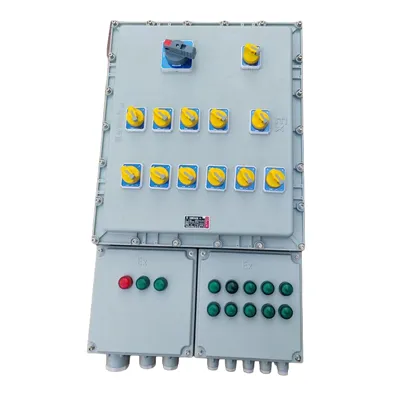
Let’s start with a quick clarification: intelligent power distribution equipment (IPDE) isn’t just the old circuit breakers or switchboards you might remember. These are systems embedded with sensors, IoT connectivity, and built-in analytics tools that let you monitor, control, and adjust power flow in real time—no guesswork required. Early on, when I first started in the field, a technician would show up to a site where a breaker had tripped, spend hours tracing wires, testing components, and crossing their fingers that they’d find the problem. Now, a manager can pull up a dashboard on their phone or laptop and see exactly which circuit is overloaded, what the current draw is, and even a predicted time to fix it, before a technician arrives. That’s the first big advantage: reduced unplanned downtime, which is the single biggest cost for most businesses relying on continuous power.
Take a recent client I worked with, a 24-hour food processing plant in the Midwest. Their old system would trip at least twice a month, usually during peak production hours—when they were running two shifts and powering mixers, freezers, and packaging lines all at once. Each trip cost them an average of $12,000 in lost product (perishables that spoiled when freezers shut off) and delayed shipments. After we installed our IPDE solution, the system’s real-time monitoring flagged a 15% overload on the packaging line’s breaker two hours before it would have tripped. The plant’s maintenance team adjusted the load by shifting some equipment to a separate circuit, and they haven’t had an unplanned outage in 14 months. That’s not a small win; that’s an annual savings of over $140,000, just from that one upgrade.
Next, there’s energy efficiency—something that’s become even more critical as utility rates continue to rise and businesses look to reduce their carbon footprint. Traditional power distribution systems operate on a static model: they’re sized for maximum load, but most of the time, you’re not running at full capacity, which means you’re wasting energy. Intelligent systems use load forecasting, which analyzes historical usage data, weather patterns, and even production schedules (for factories) to adjust power flow dynamically. For example, a commercial office building might have a peak load of 500kW during work hours, but only 200kW after hours. IPDE can shift power to heating, cooling, and lighting systems during off-hours to avoid wasting excess energy on circuits that aren’t in use.
I’ve seen clients cut their energy bills by 10-18% just from this kind of optimization. One grocery chain with 12 locations in the Southeast reported a 16% reduction in their monthly power costs after upgrading to IPDE. The system identified that their refrigeration units were running at full power overnight, when outside temperatures were cool enough to keep food safe at a lower power setting. They adjusted the units’ runtime, and the savings added up to nearly $80,000 a year across all stores. It’s not just about saving money; it’s also about reducing demand on the grid, which helps lower overall emissions from power plants. That’s a dual win for businesses and the environment.
Another underrated advantage is predictive maintenance. In the old days, maintenance was either reactive (fixing something after it broke) or preventive (replacing parts on a set schedule, even if they still worked). Both approaches are wasteful: reactive leads to downtime, and preventive wastes money on unnecessary replacements. Intelligent power equipment changes that by using sensors to track the health of every component—temperature, vibration, current levels, even the wear on circuit contacts—so you can fix a problem before it causes a failure.
Last year, we worked with a logistics company that has a 100,000-square-foot warehouse with a large battery backup system for their forklift chargers. Their old preventive maintenance schedule meant they replaced the battery terminals every two years, even though some were still in good shape. With the IPDE we installed, the system detected a slight rise in temperature on one terminal after 18 months—signaling a loose connection. A technician tightened it during a routine check, and we avoided a potential battery failure that would have shut down the forklift fleet for three days. The cost of that one predictive maintenance call? Less than $500. The cost of the failure? An estimated $75,000 in delayed shipments and labor costs. That’s the kind of risk mitigation that intelligent systems deliver.
Safety is another area where IPDE outshines traditional equipment. Old circuit breakers can trip unexpectedly, often in dark or hard-to-reach panels, putting technicians at risk of electric shock or arc flashes—one of the leading causes of workplace injuries in the power industry. Intelligent systems include safety features like remote tripping, so you can shut down a circuit from a safe location, and arc flash detection, which can identify a potential fault and stop it before it causes a dangerous explosion. They also have built-in alarms that send notifications to maintenance teams the second a hazard is detected, instead of waiting for someone to notice a problem.
I still remember a call I got a few years ago from a manufacturing plant where an arc flash had just narrowly missed a technician. Their old system didn’t have any way to detect the fault early, and the technician was lucky to escape with minor burns. After we installed IPDE, the system’s arc flash sensors flagged a similar fault in another circuit a month later, remotely tripped it, and notified the team before anyone even knew there was a problem. That peace of mind isn’t something you can easily put a price on, but it’s a critical advantage for any business that values their employees’ safety.
Scalability is another big one, especially for growing businesses. Traditional power distribution systems are often designed for a fixed load—if you add new equipment, you might have to rewire, upgrade transformers, or even replace the entire switchboard, which is time-consuming and expensive. Intelligent power systems are modular, so you can add new circuits, sensors, or even integrate with renewable energy sources like solar panels or wind turbines without a full system overhaul.
A small startup in the tech industry is a perfect example. They started in a 5,000-square-foot office, but six months later, they expanded into an adjacent 3,000-square-foot space. With their old system, they would have had to hire an electrician to run new power lines and upgrade the main panel, a process that would take two weeks and cost over $20,000. Their IPDE system, though, let them add a new modular circuit module in a single day, for less than $3,000, and it integrated seamlessly with their existing monitoring dashboard. When they add solar panels next year, the system will automatically adjust to track and use the solar power, no rewiring needed. That kind of scalability lets businesses grow without being tied to the limitations of their infrastructure.
Now, I know what some of you might be thinking: “These systems sound great, but they’re probably really expensive to install, right?” It’s true that the upfront cost of intelligent power distribution equipment is higher than traditional systems—usually 15-25% more, depending on the size of the site. But when you factor in the savings from reduced downtime, lower energy bills, and less maintenance, the payback period is typically between 12 and 36 months. For most businesses, that means the system is basically paying for itself within two to three years, and it continues to deliver savings for 10 to 15 years (the average lifespan of modern IPDE).
Another common concern is complexity. A lot of facility managers worry that adding smart technology will mean more work for their teams, not less. But the systems we design are user-friendly—we train clients on how to use the dashboard, which presents data in clear, easy-to-understand charts and alerts, not confusing technical jargon. We also offer 24/7 support, so if a team has a question, they can reach out and get help right away. I’ve seen clients go from being intimidated by smart technology to relying on it as an essential part of their daily operations, because it takes the guesswork out of power management.
At the end of the day, the goal of power distribution is simple: to get the right amount of power to the right place, when you need it, safely and efficiently. Intelligent power distribution equipment doesn’t just improve that—it transforms it. It turns a static, reactive system into a dynamic, proactive tool that helps businesses save money, keep their operations running, protect their employees, and grow without limits.
If you’re considering upgrading your power distribution system, or if you’ve dealt with unplanned outages, high energy costs, or maintenance headaches in the past, now’s the time to talk. I’ve worked with businesses of all sizes—from small retail stores to large industrial facilities—to design IPDE solutions that fit their specific needs and budget. We don’t use a one-size-fits-all approach; every site is different, and we take the time to understand your goals before recommending a solution that works for you.
To learn more about how intelligent power distribution equipment can benefit your business and discuss your specific needs, reach out to our team for a procurement consultation. We’re here to answer your questions, provide a customized quote, and help you make a decision that will save you time, money, and stress in the long run.
Power Distribution Equipment References
- International Electrotechnical Commission. (2021). Smart Grid Standards for Power Distribution Systems. Geneva, Switzerland: IEC Press.
- U.S. Department of Energy. (2022). Energy Efficiency Improvements in Commercial Power Distribution Systems. Washington, D.C.: U.S. Government Publishing Office.
- Occupational Safety and Health Administration. (2023). Arc Flash and Electrical Safety Guidelines for Industrial Facilities. Washington, D.C.: OSHA Publication.
- Global Market Insights Inc. (2023). Intelligent Power Distribution Equipment Market Report. Selbyville, DE: Global Market Insights.
- Institute of Electrical and Electronics Engineers. (2022). Predictive Maintenance for Power Distribution Components. Piscataway, NJ: IEEE Standards Association.
Si County Haneng Chengxin Electrical Engineering Co., Ltd.
As one of the most professional power distribution equipment manufacturers and suppliers in China, we also support customized service. Welcome to buy advanced power distribution equipment made in China here from our factory. If you have any enquiry about pricelist, please feel free to email us.
Address: Hanergy Green Building Science Park, Economic Development Zone, Sixian County, Anhui Province
E-mail: 19166759898@163.com
WebSite: https://www.hannenglvjian.com/
