If you’ve ever stood in front of a water treatment skid or a process system that keeps your facility running smoothly, there’s a quiet hero behind the scenes: the chemical dosing system. For 15 years, I’ve worked in chemical dosing equipment supply, and I’ve seen too many projects fail not because of a bad pump or a wrong chemical, but because of a lack of intentional, well-thought-out design. A dosing system isn’t just a box you fill with chemicals—it’s a precision instrument that keeps processes stable, cuts waste, and protects both equipment and the environment. Today, I’m pulling back the curtain on how we design these systems, from the first site walkthrough to the final test run, because I’ve learned that the best designs come from listening, not just spec sheets. Chemical Dosing Equipment
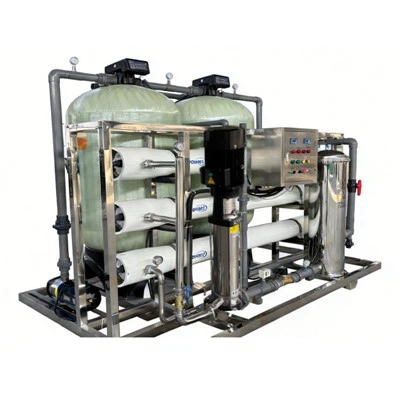
Let’s start with the basics: what a chemical dosing system actually does. It’s a set of components that transports, meters, and injects precise amounts of chemical into a process stream—whether that’s chlorine into a municipal water supply, corrosion inhibitors in a cooling tower, or flocculants in a wastewater treatment plant. The stakes here are high. Too little chemical, and you get poor water quality, scale buildup on pipes, or effluent that fails regulatory tests. Too much chemical, and you waste product, risk hazardous reactions, or discharge excess chemicals that harm ecosystems. That’s why design can’t be a one-size-fits-all job. Every system is built for a specific site, a specific chemical, and a specific process.
The first step, and the one I never cut corners on, is site assessment. Years ago, I sold a dosing system to a food and beverage plant that ended up costing them $20,000 in downtime because I skipped this step. They wanted a system to dose caustic soda into their wash water, and I sized it based on their process flow rate and the chemical’s dosage requirement—something that looked great on paper. But I didn’t stop to ask about their pipe layout: their main process line was 12 inches in diameter, and the inlet for the chemical was at a 90-degree elbow, right before a pump. When we ran the system, the chemical wasn’t mixing properly; it was getting sucked into the pump impeller in concentrated slugs, which damaged the pump and left the wash water pH inconsistent. That mistake taught me: a design is only as good as the context it’s built for.
During a site assessment, I walk through three key things with the plant’s operations and engineering teams. First, the process parameters: what’s the flow rate of the process stream? Is it constant, or does it fluctuate with shifts in production? What’s the desired dosage range for the chemical, and have there been issues with under- or overdosing in the past? Second, the physical site: where is the chemical storage area located? Are there access points for the dosing system that are compatible with pipe runs, and is there power or control infrastructure nearby? What’s the ambient environment—extreme heat or cold can degrade components, and chemical fumes can damage electronics, so that shapes material choices and housing. Third, the end goals: do they need the system to run automatically, with alarms for low chemical or component failure? Are there regulatory requirements they have to meet, like EPA limits for chemical discharge? All of these feed into the design, not just the chemical itself.
Next, selecting the right chemical and understanding its properties. This isn’t just picking a product from a catalog. Different chemicals behave differently, and that dictates every part of the system. For example, concentrated sulfuric acid is highly corrosive, so we don’t use standard PVC pipe or brass valves—we go with HDPE or PVDF, which can handle the acid without degrading. Sodium hypochlorite, a common disinfectant, breaks down over time, especially in sunlight, so the chemical storage tank has to be opaque, and the dosing lines should have no unnecessary exposure to UV light. Some chemicals are viscous, like polymers used in flocculation, so a standard diaphragm pump won’t work—we need a progressive cavity pump that can move thick fluids without clogging or pulsing. Even something as simple as the chemical’s pH matters: a 10% solution of hydrochloric acid is mild enough for most components, but a 30% solution will eat through unlined steel in weeks. I always ask for the Material Safety Data Sheet (MSDS) and test a small sample of the chemical with any components we’re considering, just to be safe. No amount of spec sheet research replaces a real-world test.
Once we understand the site and the chemical, it’s time to select the core components of the system. Let’s break them down, because each choice has a direct impact on performance.
First, the pump. This is the heart of the dosing system, and choosing the wrong pump leads to almost every operational issue. There are three main types we rely on, and each has a use case. Diaphragm pumps are the most common, great for clean, low-to-medium viscosity chemicals. They’re accurate, affordable, and easy to maintain, which makes them perfect for cooling tower inhibitors or municipal water disinfection. But they don’t handle high viscosities well, and they can have small amounts of pulsation, which is bad for mixing. That’s where peristaltic pumps come in—they use a tube squeezed by rollers, so the only part that touches the chemical is the tube, which is ideal for corrosive or sanitary chemicals, like those used in pharmaceutical processing. They’re also great for viscous fluids, as long as you match the tube material. Progressive cavity pumps, as I mentioned earlier, are for very thick fluids, like polymer solutions or sludge conditioners. They deliver a steady flow with almost no pulsation, which is key for uniform dosing. Each pump has a maximum flow rate and a turndown ratio—the range of flows it can accurately deliver. If a process has a flow rate that varies by 50%, a pump with a 10:1 turndown ratio will only handle small fluctuations; we need a pump with a 100:1 ratio to keep dosing accurate at all loads.
Next, the tank. The storage tank holds the chemical between deliveries, and it’s not just a plastic bucket. For small systems, we use vertical tanks made of HDPE, which is cheap, durable, and resistant to most chemicals. For large industrial systems, we often use lined steel tanks for long-term durability, especially for high-volume chemicals like sulfuric acid. Size is critical here: if the tank is too small, you’ll run out of chemical between deliveries, leading to downtime. If it’s too large, the chemical might degrade before it’s used, especially for products like sodium hypochlorite. We calculate tank size based on the daily dosage rate, the number of days between deliveries, and a 10% buffer to account for unexpected delays. We also add features like level sensors (float switches or ultrasonic sensors) to alert operators when the tank is low, so they can schedule deliveries before the tank runs dry. For chemicals that off-gas fumes, we add a vent with a scrubber to prevent those fumes from entering the workplace or corroding nearby equipment.
Then, the control system. This is what makes the system smart, not just a mechanical device. For simple systems, a manual control might work—operators adjust the pump flow rate based on daily tests. But most modern systems use automated control, which is more accurate and reduces labor. The core of the control system is a controller that receives input from sensors and adjusts the pump flow rate to maintain the desired dosage. For example, in a wastewater treatment plant, a pH sensor in the process stream sends a signal to the controller; if the pH is too low, the controller increases the flow of caustic soda, and if it’s too high, it decreases it. We use two main control types: flow proportional control, which adjusts the dosing rate based on the process flow rate, perfect for consistent process streams, and setpoint control, which maintains a fixed parameter like pH or concentration, ideal for processes where quality is non-negotiable. We also add alarms for issues like low chemical level, pump failure, or high pressure in the line, so operators get a text or a screen alert immediately. For facilities with multiple systems, we can integrate the dosing system into their existing SCADA network, so all process data is in one place.
The often-overlooked part of the system is the injection and mixing section. A pump can deliver perfect chemical, but if it’s injected into the wrong place or not mixed properly, it won’t do its job. I see this mistake all the time: a system with a great pump, installed right next to the injection point, with no mixing, leading to uneven dosing. The key here is to inject the chemical into a section of the pipe where there’s good turbulence, not at a dead end or a 90-degree elbow. For pipe systems, we use injection quills—short tubes that extend into the center of the pipe, where flow is fastest, to introduce the chemical. For open tanks or large process vessels, we use mixing nozzles or static mixers to ensure the chemical spreads evenly through the entire volume. If you skip this step, even the best pump will underperform. That food and beverage plant I mentioned earlier? If I’d taken the time to adjust the injection point to a straight section of pipe with a static mixer, they would’ve avoided the entire problem.
Once all the components are selected, the next step is building and testing the system. We don’t just assemble it in the shop and ship it. We run a full factory test, where we connect the system to a test rig, run the exact chemical the facility will use, and simulate real process conditions. That includes testing flow accuracy over the full range of pump settings, checking for leaks, testing the control system’s response to sensor input, and verifying that alarms trigger correctly. For critical systems, we also do a dry run with water first, to make sure no parts are misaligned. When we deliver the system, we spend a day on-site with the operations team, installing it, calibrating all sensors, training operators on how to adjust the system, troubleshoot common issues, and perform basic maintenance. I always leave a detailed manual, but I also give my direct cell number—if an alarm goes off at 2 a.m., the last thing an operator wants is to wait for a support line to open.
I’ve built dozens of dosing systems over the years, and the ones that stand the test of time aren’t the ones with the fanciest pumps or the most expensive controls. They’re the ones that account for the small, specific details of each site. A system that works in a municipal water treatment plant might fail in a mining operation, because the process flow fluctuates more and the chemical is more corrosive. That’s why we never sell a “standard” system; every design is tailored to the customer’s needs.
After delivery and startup, the work isn’t done. We recommend a quarterly maintenance schedule, which includes checking pump seals, testing level sensors, flushing lines to prevent clogging, and verifying dosing accuracy with process tests. We also do annual audits, where we review how the system is performing, look for opportunities to adjust dosage to cut chemical waste, or upgrade controls if the facility’s needs change. I had a customer in the chemical processing industry who was overdosing their corrosion inhibitor by 22% because their process flow had increased 15% without adjusting the pump. A quick check of their system, a small adjustment to the controller setpoint, saved them $14,000 a year in chemical costs. That’s the value of a design that’s not just built, but supported long-term.
At the end of the day, a good chemical dosing system is a partnership between the equipment supplier and the facility. We bring the expertise in pump technology, chemical compatibility, and control systems, and our customers bring the deep knowledge of their process, their goals, and their constraints. If you’re looking to replace an old dosing system, fix an inconsistent one, or design a new system for a new process, the key is to start with the basics: understand your site, your chemical, and your needs, and work with a partner who’s willing to listen as much as they’re willing to advise.
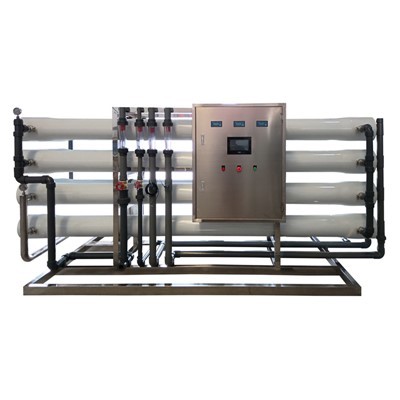
Every system I design starts with a conversation, not a spec sheet. If you’re ready to move past one-size-fits-all dosing and build a system that’s accurate, reliable, and tailored to your operation, I’m here to talk through your needs. We can walk through your site, review your process parameters, and put together a design that keeps your facility running smoothly for years to come.
Pretreatment & Filtration Equipment References
- Chemical Dosing Systems: Design, Application, and Operation, Water Environment Federation, 2018
- Pump Selection and Application for Industrial Chemical Dosing, Hydraulic Institute, 2020
- Material Compatibility for Chemical Processing Equipment, National Association of Corrosion Engineers (NACE), 2019
- Automated Control Systems for Water and Wastewater Treatment, American Water Works Association (AWWA), 2021
Shandong Yanuo Environmental Protection Equipment Co., Ltd.
We’re well-known as one of the leading chemical dosing equipment manufacturers and suppliers in China, featured by quality products and good price. Please rest assured to buy bulk chemical dosing equipment made in China here from our factory. Customized orders are welcome.
Address: North Side of the Road, 1,000 Meters West of the Intersection of Fenghuangshan West Road and Provincial Highway S102, Wangfu Subdistrict, Qingzhou City, Weifang City, Shandong Province.
E-mail: ynhb.499973983@gmail.com
WebSite: https://www.zkyaruo.com/
