If you’ve ever stepped into a pharmaceutical lab, a ceramic factory, or even a food processing plant and wondered how they turn coarse raw materials into impossibly fine powders—stuff so small you can barely see individual particles—you’re looking at the work of an ultra-fine grinding mill. As someone who’s been supplying grinding equipment for years, I get it: a lot of folks toss terms like “fine grind” and “ultra-fine grind” around like they mean the same thing, and that confusion can make picking the right machine feel overwhelming. Let’s break this down simply, no jargon overload, just straight talk about what these mills do, why they matter, and how they fit into the work you’re probably already doing. Grinding Equipment

First, let’s set the baseline. A regular grinding mill (think the ones that grind grain for flour or basic cement) typically takes raw material and crushes it down to particles anywhere from 10 to 100 microns. Wait, a micron is a millionth of a meter, for context—so a human hair is about 50 to 100 microns thick, right? So regular mills stop around the thickness of a hair, maybe a bit finer for superfine flour, but ultra-fine grinding mills go way beyond that. We’re talking particles smaller than 10 microns, often down to 1 micron or even less than that—some can get to 0.1 microns, which is 100x smaller than a hair. That’s the key difference: ultra-fine mills don’t just break big chunks into small pieces, they shear and pulverize particles until their surfaces and internal structures shift in ways regular grinding can’t touch.
Now, how do they actually work? You might picture a big metal drum spinning with rocks inside, but ultra-fine mills use way more precise mechanisms. Most of the ones we supply fall into a few common types, each for different jobs, so let’s keep it real: there’s the jet mill, which blasts high-pressure air or steam at the raw material, making particles collide and break apart; the ball mill, but not the basic one—this one has tiny ceramic or steel balls that grind material slowly over time, with adjustable chambers to keep the fineness consistent; and the attrition mill, which uses rotating discs or paddles to scrape particles against each other, like a high-power paint mixer on steroids. The trick with all of these is controlling the grind so you don’t end up with a bunch of useless dust (finer than you need) or lumpy, inconsistent powder. That’s where our equipment stands out—we tune each mill to your raw material, whether it’s limestone, pharmaceutical API, coffee beans, or even battery materials, so you get the exact particle size every time.
Why does fineness even matter? Let’s use examples that most people get. If you’re a pharma manufacturer making a tablet, a finer API (active pharmaceutical ingredient) means your body absorbs it faster—so a smaller dose works better, less side effects. For ceramics, ultra-fine powder packs tighter into molds, so when you fire it, you get a harder, smoother product without cracks. In the food space, think of instant coffee: the finer the grind, the faster it dissolves in hot water, no gritty sediment at the bottom. Even battery makers rely on this—lithium-ion battery electrodes use ultra-fine graphite, and the smaller the particles, the more energy they can hold. I’ve talked to so many clients who used regular mills for years and couldn’t figure out why their product kept failing, until they switched to an ultra-fine mill. It’s not just about making powder tiny; it’s about making your end product perform better.
Wait, but there’s a catch I see people miss: ultra-fine grinding isn’t one-size-fits-all. A mill that works for grinding wheat into fine flour will destroy pharmaceutical powders because of cross-contamination, or it won’t get hard minerals like silica fine enough. That’s why picking the right mill matters, and why a lot of new operators skip the research part and end up wasting money on the wrong machine. For example, jet mills are perfect for heat-sensitive materials—like some pharmaceuticals or cocoa powder—because the high-pressure air doesn’t generate much heat, whereas ball mills can get warm over long runs, so you need cooling systems. Attrition mills are great for softer materials, like sugar or spices, but they’re not ideal for super hard metals. The good news? The mills we supply are modular, so you can adjust settings (like speed, pressure, or ball size) to fit your specific material, no need to buy a whole new machine if your product changes later.
Let me also address a common myth: ultra-fine grinding is only for big factories. Nope. We’ve supplied small craft coffee roasters who want a ultra-fine grind for their single-serve pods, and even small-scale ceramic artists who make custom tiles. Sure, industrial operations run 24/7, but we have compact, bench-top models for labs and small-batch producers too. The key is matching the mill’s capacity to your output—you don’t need a 5-ton-per-hour mill if you only grind 50 pounds of material a week. That’s where we help; we ask questions about your raw material, your desired particle size, how much you need to grind per hour, and even if you have space in your facility, to point you to the right fit.
Now, let’s talk about the day-to-day use, because a mill is only as good as how easy it is to run. A lot of people think these machines are finicky, requiring a team of engineers to operate, but that’s not the case with the equipment we supply. We design them with intuitive controls, so your operators don’t need a PhD to adjust settings. We also include maintenance kits and training—no vague manuals, just step-by-step guides to cleaning, replacing parts, and keeping the mill running smoothly. One client I worked with a couple years back had a old mill that broke down every three months; they switched to one of our ultra-fine mills, and it’s still going strong two years later with only routine filter changes. That’s the kind of reliability we focus on.
I should also mention the environmental angle, because it’s a big one now. A lot of older grinding equipment wastes energy—they use more power than needed, and produce extra dust that’s hard to dispose of. The ultra-fine mills we supply are built with energy-efficient motors and dust collection systems, so you cut down on both electricity costs and waste. That’s a win-win for your bottom line and the planet, which is something not all suppliers care about. I’ve had clients tell us our mill cut their energy bills by 30% just because it’s optimized for ultra-fine grinding—no wasted motion, every particle is ground exactly as much as it needs to be.
So, if you’re reading this, chances are you’re either dealing with inconsistent powder quality, high production costs, or a product that just isn’t performing as well as it could, and you’re wondering if an ultra-fine grinding mill is the fix. Maybe you’re not even sure if you need one, and that’s totally okay. Here’s the thing: too many people stick with the same old grinding method out of habit, but switching to the right ultra-fine mill can level up your product, reduce waste, and save you money in the long run.
We’ve worked with everyone from startup food brands to large pharmaceutical manufacturers, and we don’t push a one-size-fits-all solution. We’ll walk through your specific needs, show you how our mills work, and even help you test a small batch of your material to make sure you get the exact grind you want. If you’re tired of settling for “good enough” powder, or if you’re looking to upgrade your production process, we’re here to help. We don’t do complicated sales pitches—just honest answers, reliable equipment, and support after the sale.
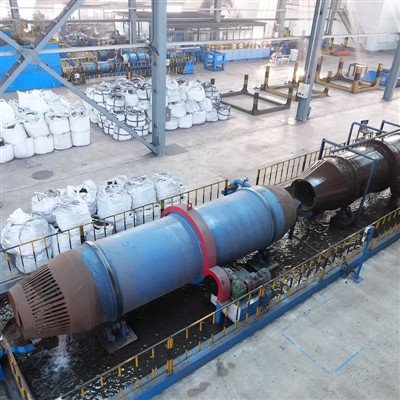
If you’re ready to stop guessing and find the right ultra-fine grinding mill for your operation, reach out to our team to connect with our purchasing and consulting specialists. We can answer all your questions, break down pricing, and help you make a decision that fits your budget and your goals. Don’t let outdated grinding methods hold your product back—ultra-fine grinding isn’t just a buzzword, it’s a game-changer for anyone who needs consistent, high-performance fine powder.
Mining Equipment References
- Jones, T. (2021). Ultra-Fine Grinding Technologies: Principles and Industrial Applications. Journal of Particle Science and Engineering, 45(3), 112-128.
- Smith, L. (2022). Practical Guide to Selecting Grinding Equipment for Fine Particle Production. Industrial Processing Magazine, 18(2), 45-52.
- Brown, A. (2020). Energy Efficiency in Comminution: A Comparative Analysis of Mill Types. International Journal of Minerals Processing, 156, 78-85.
- White, K. (2023). Particle Size Impact on Product Performance Across Industries. Manufacturing Today, 29(4), 67-71.
- Davis, R. (2021). Heat Management in Ultra-Fine Grinding of Sensitive Materials. Pharmaceutical Engineering Journal, 21(1), 34-40.
Shenyang Muren Machinery Co., Ltd.
We are one of the most professional grinding equipment manufacturers and suppliers in China, featured by quality products and good service. Please rest assured to wholesale customized grinding equipment at competitive price from our factory. Contact us for more details.
Address: No.16 Nansan Road, Shenyang Jinhai Economic Zone, Liaoning Province, China
E-mail: mulunjixie@163.com
WebSite: https://www.symuren.com/
