Alright, let’s cut to the chase. If you’ve ever popped the hood on your car (or even just leaned in close to the wheel well to listen) and heard that weird, clanking, squealing, or even grinding noise when you turn the key or hit the gas, you’ve probably wondered: Is my driving chain messing with me? And more specifically—can a bad driving chain actually cause those strange noises? As someone who’s been in the driving chain supply game for over a decade, I’m here to break this down without all the jargon you’ll find in a boring auto manual. Driving Chain
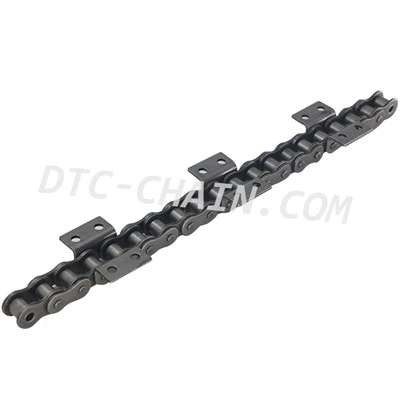
First off, let’s get one thing straight: A driving chain (we’re talking about the ones that connect your engine to your wheels, or for the record, sometimes timing chains if you’re digging deeper) is basically the unsung hero of your vehicle. It transfers power from the engine’s crankshaft to the transmission, and if it’s in good shape, you’ll never even think about it. But when it’s bad? That chain becomes the main star of the weird noise show, and trust me, it’s not a good performance.
Let’s start with the most common noise people blame on other parts (like the alternator or the water pump) that’s actually a bad driving chain: that high-pitched squeal when you start your car in the morning. Wait, why would that happen? Over time, driving chains stretch—just like a old necklace or a bike chain you never oil. When it stretches, it starts to slip against the tensioner (the part that keeps the chain tight) or the idler pulleys. That slip creates friction, and friction equals heat, which equals that squeal you hear for the first 10 seconds before it fades. A lot of mechanics will tell you it’s a serpentine belt, but if you’ve replaced that belt twice and it’s still squealing? Your driving chain is probably the culprit. I’ve seen this so many times—customers come in swearing their belt’s garbage, but it turns out the chain’s stretched so bad it’s pulling the belt slightly out of alignment, causing that constant squeal.
Next up: the clanking noise when you’re idling or turning. That’s a big one, and it’s often the scariest because people think their engine’s about to blow up. Let’s think about why a chain makes that clank. If the chain has worn out links or broken pins, it’s not moving smoothly through the sprockets (the gear wheels it wraps around). When the crankshaft spins, the loose links bounce around instead of locking into place, and that bounce makes a loud, rattling clank. I had a customer last year who brought in his pickup truck saying it sounded like he had a can of rocks in his engine. He’d been ignoring it for months because he thought it was “normal truck noise.” When we checked the chain, half the links were stretched so far they were touching the engine block, and the pins in two of the inner links were broken. That clank was the chain slamming against the block every time it cycled. The good news? Catching that early means you don’t have to replace the whole engine—just the chain and the sprockets. The bad news? If you wait too long, that clank turns into something way worse.
Wait, what about the grinding noise when you accelerate? Let’s clarify: If it’s a manual transmission, sometimes it’s the clutch, but if you’ve got an automatic and the grinding only happens when you hit the gas, that could be a driving chain issue too. When the chain is loose or has damaged sprockets, it can’t transfer power evenly from the crankshaft to the wheels. So when you step on the gas, the chain is slipping under load, and that slip creates a grinding friction between the links and the sprockets. I remember another customer who was driving his minivan to a family trip, and halfway there, the grinding got so bad he had to pull over on the side of the highway. By the time he got to a shop, the chain had jumped a tooth on the sprocket, throwing the whole timing off (if it’s a timing chain, which is a type of driving chain) and making the engine run rough too. The grinding was the first red flag he ignored, and it almost cost him a whole trip—and a huge repair bill.
Now, let’s get real: Why do driving chains go bad, anyway? It’s not just that they “wear out.” A lot of factors play into it. First, lack of lubrication. Wait, chains need oil? Yeah, most modern driving chains (especially timing chains) are lubricated by the engine’s oil system, but if your oil is dirty, old, or low, it can’t get to the chain properly, causing friction and wear. Then there’s tensioner failure. The tensioner is what keeps the chain at the right tightness, and if it breaks or gets clogged with gunk, the chain starts to stretch and bounce. Even something as simple as off-roading or heavy towing can put extra stress on the chain, making it stretch faster than normal. I’ve got a few regular customers who run their trucks for construction work—they come in every 50,000 miles to get their chains inspected, because they know heavy loads can take a toll.
Here’s a common myth I want to bust right now: Some people think driving chain noise is just “part of owning an old car.” No, it’s not. Sure, chains wear over time, but a properly maintained chain should last 100,000 miles or more. If you’re hearing strange noises before that, it’s a sign something’s wrong, not a normal quirk. I had an old-timer come to me a while back saying his ’98 F-150 had always made a squeal, so he just put up with it. We inspected his chain, and it was so stretched it was about to jump a tooth. If he’d kept ignoring that noise, he would’ve done major engine damage. Now he brings his truck in every 60k for a chain checkup, and he swears that squeal never came back.
Wait, let’s also talk about how to tell if it’s actually the chain, not another part. Because a lot of noises overlap, and you don’t want to replace your chain when it’s just a bad bearing. Let’s break it down: Squeal when starting? Chain or serpentine belt—if the belt’s good, it’s the chain. Clank when idling? Chain or engine knock—engine knock is deeper, more metallic, happens when you accelerate too; chain clank is more of a rattle that gets quieter when you rev the engine slightly. Grinding when accelerating? Chain or transmission issue—transmission grinding usually happens when shifting, chain grinding is constant when you’re on the gas. If you’re not sure, bring it by a shop that knows chains (and yes, we do on-site inspections for local customers) instead of guessing.
Now, let’s get to the part where I tell you what to do if you think your driving chain is causing the weird noises. First, don’t keep driving it. I’ve seen too many people wait until the noise gets worse, and they end up with a $3,000 engine repair instead of a $500 chain replacement. Second, get it inspected. We offer free basic chain inspections at our shop—just bring your car by, and we’ll check the stretch, the sprockets, the tensioner, everything. Third, if it is the chain, don’t skimp on parts. Some cheap chains will wear out in 20k miles, so invest in a high-quality, durable chain that’s made for your vehicle. We supply chains for all makes and models—trucks, sedans, SUVs, even RVs—so we can hook you up with the right part, no guesswork.
Let’s circle back to the original question: Can a bad driving chain cause strange noises? 100% yes. From that annoying morning squeal to the terrifying clank that makes you think your engine’s dying, a worn, stretched, or damaged driving chain is the hidden culprit behind most of those weird auto noises people blame on other parts. The good news is that it’s usually fixable, especially if you catch it early. The bad news is that ignoring it will only make the noise louder and the repair way more expensive.
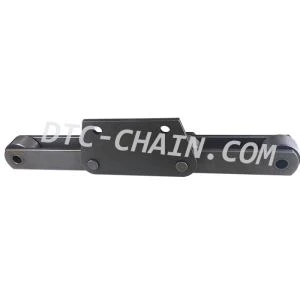
At the end of the day, your driving chain is the backbone of your vehicle’s power system. You don’t have to be a mechanic to listen to your car—if you hear something that doesn’t sound right, don’t brush it off as “just a car thing.” It might be your chain trying to tell you something. If you need a new chain, or you just want to get your current one inspected, reach out to us—we’re here to help, no salesy nonsense, just honest advice and high-quality parts. Don’t let a bad chain turn your road trip into a nightmare.
Conveyor Chains References:
- Automotive Service Association. (2022). Common Causes of Timing Chain Noises in Light Duty Vehicles. National Automotive Service Report.
- Society of Automotive Engineers. (2021). Wear Mechanisms in Drive Chains for Passenger Vehicle Powertrains. SAE International Journal of Engines.
- American Automobile Association. (2023). Vehicle Maintenance Guide: Powertrain Component Inspection Schedules. AAA Automotive Research Center.
Hangzhou Dongteng Industrial Co., Ltd.
As one of the most professional driving chain manufacturers and suppliers in China, we have world-leading production equipment and strong manufacturing capabilities. Please feel free to wholesale high quality driving chain made in China here from our factory. Also, custom service is available.
Address: Jingdong Village, Jingjiang Town, Xiaoshan District, Hangzhou City
E-mail: cocowu@dtc-chain.com
WebSite: https://www.dtc-chains.com/
