If you’re reading this, you probably already know the chaos that comes with letting your dog roam freely around your yard—one second they’re chasing a squirrel past the flower beds, the next they’re nowhere to be found, and you’re scrambling to grab the flashlight. That’s why so many people are ditching traditional physical fences for GPS dog fences these days, and as someone who supplies these systems, I get asked all the same questions: “Will my dog even get this? What kind of training do they actually need? Am I gonna mess this up because I work 12-hour days and don’t have time for constant practice?” Let me break this down like I would to a neighbor who just adopted a rambunctious golden retriever and asked me for tips last week—no fancy jargon, just real stuff that works. GPS Dog Fence

First off, let’s get one thing straight: GPS dog fences aren’t magic. They don’t just flip a switch and train your pup to stay put. The training works for both you and your dog, and skipping steps usually leads to confused dogs, frustrated pet parents, and calls to my support line (don’t worry, we’re happy to take those, but we’d rather you not have to). The type of training your dog needs depends on their age, breed, past experiences, and even their personality, but there are core steps that work for almost every dog. Let’s start with the basics: why training matters here, because it’s not about scolding your dog for wandering—it’s about teaching them the “rules” of where their safe zone is, and what the warnings mean.
Let’s talk about your dog’s temperament first, because that’s the biggest variable. If you’ve got a brand-new puppy (under 6 months old), they’ve got a blank canvas, so training is way easier—they’re still learning what’s “good” behavior and what’s not. A high-energy herding dog, like a border collie or Australian shepherd, might get bored or distracted super easily, so they’ll need shorter, more frequent training sessions instead of one long drag. If you’ve got a rescue dog with a history of running away or being skittish around new systems, you’ll need to go slower and build trust first, because sudden corrections (our systems have gentle vibrations and audio cues, not static, by the way) will scare them more than help. I’ve seen people try to skip the slow part with a rescue and end up with a dog that hides under the porch every time the collar beeps—total waste of time.
Now, let’s get into the actual training timeline, because consistency is key here. Don’t try to cram all this into one weekend—we recommend 10 to 14 days, max, but some dogs take a little longer, and that’s totally fine. First up: the “Acclimation Phase.” Before you even turn on the GPS fence’s collar, you need your dog to get used to wearing it. I know, it’s tempting to put it on and start training right away, but that’s like making a kid wear a new backpack and expecting them to do math—they’re too busy adjusting to the weird thing on their neck. Start with just 15 minutes a day, then work your way up to 30, then an hour, over the course of 3 or 4 days. Leave it on while they’re napping, eating treats, playing with their toys—anytime they’re not unsupervised (you never want a collar to get caught on a fence or tree branch). If your dog hates it at first, don’t take it off immediately when they fidget. Wait 30 seconds, give them a treat, and take it off if they stay calm. That teaches them the collar isn’t a punishment, it’s a good thing.
Once they’re comfortable wearing the collar, move to the “Boundaries Exploration Phase.” This is where you’re gonna be the human GPS, basically. Grab the collar, a long leash, and a pocket full of their favorite treats—chicken, cheese, whatever they’ll do a trick for. Take them to the yard, right in the middle of the safe zone, and walk around the perimeter slowly. Every time you cross the edge (your GPS fence will show you where that is on your phone app), the collar will give a little beep or a vibration—our systems let you pick which cue works best for your dog, so don’t skip that part of the setup. When your dog hears that beep, immediately turn them around and walk them back into the safe zone, then give them a huge treat and a hug. Don’t scold them, don’t yank the leash—just redirect. I see people mess this up all the time: they cross the boundary, their dog gets a beep, and they yell “NO!” That makes the dog associate the boundary with a bad thing, not the cue to turn around.
Do this 5 to 10 times a day, but keep it short—10-minute sessions, twice a day, is better than one 30-minute session. Dogs have short attention spans, especially if they’re young or easily distracted. After a few days, start letting them walk a little farther from you, without the leash, but stay right behind them. When they cross the boundary, they’ll get the cue, and if they turn back, you give a treat from where you are—no need to run over. If they don’t turn back, gently call their name and walk toward them, then redirect them, no scolding. This phase usually takes 5 to 7 days, but if your dog is super curious (like a beagle who smells a rabbit 10 feet away), add a couple more days. We had a customer last month with a basset hound named Max who’d stop and sniff every blade of grass—he took an extra week, but once he got it, he never tried to wander.
Next up: the “Distraction Phase,” which is where a lot of people quit too early. Once your dog is staying close to the boundary when there’s nothing going on, add little distractions. Start with quiet ones—like a friend standing 20 feet away from the boundary, holding a toy, then a treat when your dog stays in the zone. Then move to bigger distractions: another dog walking by, kids playing in the street, a squirrel running across the yard. This is crucial because real life isn’t a quiet yard—your dog needs to know to stay put even when there’s stuff they want. If your dog chases the distraction, don’t get mad—just gently bring them back, remind them of the boundary, and give a treat when they settle. Some dogs will push it here, especially high-energy breeds, so go at their pace. If they get the squirrel and cross the boundary, that’s a teachable moment, not a failure. Just don’t let it become a habit.
Then, once they’re nailing distractions, it’s time for the “Unsupervised Phase.” Start small—only leave them alone for 15 minutes at a time, while you’re in the house, so you can hear if the collar is beeping (our app sends you alerts too, but it’s good to test in person). If they stay in the zone, give them a high-five or a extra treat when you come back. If they do cross, don’t punish them when you get home—just point to the app on your phone, say “No, stay” gently, and redirect them next time. Punishing them after the fact will only confuse them—they won’t connect the scolding to the time they wandered 20 minutes ago. I’ve had customers come to me upset because their dog ran off and they yelled at them, only to find out the dog was confused about the boundary because they’d moved the fence a little to trim the hedge and forgot to update the GPS. That’s a easy fix, not a training failure.
Now, let’s talk about dogs that might need extra work. Like, what if your dog is a escape artist? I’m talking, the kind that digs under physical fences, jumps over 6 feet, and will chase a cat for a mile. These dogs usually have high prey drive, so they’re way more likely to ignore the boundary cue. For these guys, we recommend making the initial safe zone a little smaller at first—don’t use the full yard right away, just a section, so they don’t feel overwhelmed. Add extra reinforcements during the distraction phase, like more treats when they stay put. Also, some of these dogs just take longer—we had a customer with a Siberian husky who ran off three times in the first two weeks, but after three weeks, he never crossed again. Huskies are stubborn, y’all, but they get it if you’re consistent.
What about senior dogs? If your older dog has always wandered, or is used to a physical fence that they know well, they might be slower to adjust. They might not have the energy to learn new things, so go super slow, shorter sessions, more treats. Also, check the collar fit—senior dogs can have neck arthritis, so you don’t want the collar too tight, because that’ll make it uncomfortable, and they’ll associate the collar with bad stuff. Our GPS collars are lightweight, but adjusting the fit is super important, I can’t stress that enough.
Wait, let’s also cover common mistakes people make that mess up the training. First, not updating the boundary when you change your yard. If you plant a new tree, move a patio, trim a hedge, or even get a new shed, you have to update the GPS fence’s boundary on your phone. The dog doesn’t know the yard changed, so if you don’t adjust the fence, they’ll cross where the old boundary was and get confused. Second, using the wrong cue. Our systems have audio, vibration, and static (but static is way too harsh for most dogs—we recommend audio or vibration, unless you have a stubborn dog who needs a little more). If you use a shock that’s too strong, your dog will associate the entire yard with being shocked, not the boundary. That’s a total no-no, and we even warn customers about that in our setup guides. Third, inconsistency. If one day you let your dog cross the boundary because they want to go chase a butterfly, and the next you scold them for it, they’ll have no idea what’s allowed. Consistency is the #1 rule here. Every time they cross the boundary, they get the cue, and every time they turn back, they get a treat. That’s it.
Also, let’s talk about the system we supply, just to tie it all together. Our GPS dog fences are designed to make training easier, because the collar is lightweight, the app shows you the boundary in real time, and the cues are customizable. We don’t do hidden static that comes out of nowhere—you get to pick what your dog responds to, so training is way less stressful. But even with the best system, the training is what makes it work. I can’t tell you how many customers come back a month after installing, saying “This is amazing, my dog never runs off now,” and they all say the same thing: they did the training step by step, no skipping.
Now, what about if you’re short on time? I get it, life is busy, work is chaotic, and you can’t train your dog for an hour every day. Our advice is to split the training into tiny bits. Even 5 minutes, twice a day, is better than nothing. If you’re gone for 10 hours a day, get a friend or a neighbor to pop in for 10 minutes in the morning and evening, so you’re not missing sessions. Skipping training because you’re busy will lead to more work later, when your dog runs off and you have to search for them. It’s a small investment of time that saves a lot of hassle.
Wait, also, don’t forget that every dog is different. I had a customer with a pit bull who learned the boundary in 3 days, and another with a poodle who took 3 weeks because she was scared of the collar. There’s no timeline that works for every single dog, so don’t stress if your dog isn’t getting it as fast as your friend’s dog. If you’re having trouble, reach out to our support team—we’ve trained hundreds of dogs with our systems, so we’ve seen every scenario, and we can give you tailored tips. No question is too silly, either. If you’re like, “My dog ate his collar, what do I do?” we’ll walk you through that. If you’re like, “My beagle keeps stopping to sniff the grass, how do I get him to focus?” we’ll tell you to use extra smelly treats, like bacon, to get his attention.
Oh, and one last thing: when you first start letting your dog be unsupervised, keep an eye on them through the app (our app has GPS tracking, so you can see where they are) for the first few times. It’ll make you feel better, and you can correct them right away if they cross. If they do cross, just send them a gentle alert from your phone, and they’ll turn back. No yelling, no scolding. That’s way more effective.
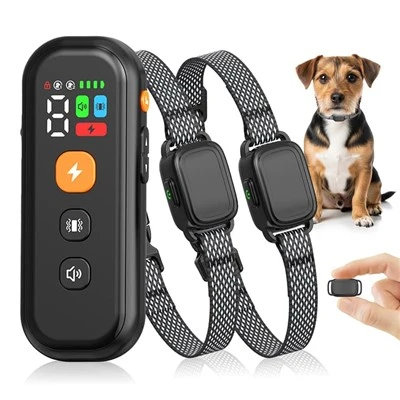
At the end of the day, a GPS dog fence is only as good as the training you put into it. It’s not a replacement for spending time with your dog, playing with them, and taking them on walks—It’s a tool to give them the freedom to roam safely when you can’t be right there. If you’re looking for a reliable GPS dog fence system, our team can walk you through the best setup for your yard, your dog’s size, and your schedule, and we can share custom training tips for your specific breed. We’re here to help make the process easy, not stressful. If you have questions about system specs, training support, or would like to discuss purchasing a system for your home, reach out to our team to connect for a personalized consultation.
Underground Dog Fence References:
- The Humane Society of the United States. (2022). "Positive Reinforcement Training for Dogs."
- American Veterinary Society of Animal Behavior. (2021). "Training Recommendations for Electronic Pet Containment Systems."
- Journal of Veterinary Behavior. (2020). "Behavioral Outcomes of GPS-Based Fence Systems in Domestic Dogs."
Shenzhen TIZE Technology Co., Ltd.
Shenzhen TIZE Technology Co., Ltd. is one of the most professional gps dog fence manufacturers and suppliers in China, also supports high quality customized service. Welcome to wholesale the newest gps dog fence made in China here and get pricelist from our factory. Also, 1 year warranty is available.
Address: Building 2, Guangyu Industrial Zone, Huangtian Community, Hangcheng Street, Bao’an District, Shenzhen, Guangdong Province, China
E-mail: apple@cntize.com
WebSite: https://www.cntize.com/
