If you’ve ever grabbed a carton of berries that looked fine on the shelf but was already moldy inside, or opened a bag of chips that tasted stale before the expiration date, you know how frustrating it is to rely on old-school quality checks. For decades, manufacturers and retailers have played a guessing game with product integrity: batch testing once a month, spot-checking random units, and crossing their fingers that nothing goes wrong between distribution and your kitchen counter. But as a smart packaging systems supplier, I see first-hand how these outdated methods are being flipped on their head—no more guesswork, no more wasted product, and way better control over every step of a product’s journey. Smart Packaging Systems
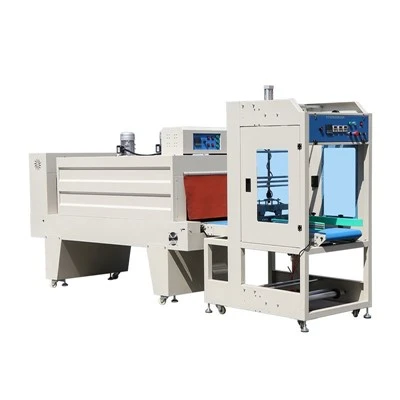
Let’s start with the basics: what makes packaging “smart”? It’s not just a fancy label or a sensor stuck to a box. At its core, smart packaging integrates miniaturized tech—low-power sensors, microchips, and even biodegradable indicators—right into the packaging itself, so it can track, measure, and communicate about a product’s condition in real time. Unlike traditional quality control (QC) that only happens at specific checkpoints (like when a batch leaves the factory or hits a warehouse), these systems work around the clock, from production to checkout. That’s a game-changer because most quality issues don’t show up at convenient checkpoints. A vaccine might get exposed to a spike in temperature on a truck stop; a salad mix might develop unsafe bacteria during a delayed delivery; a craft beer might go flat from improper carbonation in a storage unit. Old-school testing would miss these things, but smart packaging catches them the second they happen.
Take temperature monitoring, for example. Perishable goods like pharmaceuticals, produce, and dairy are especially vulnerable to temperature swings, which can make them unsafe or less effective long before expiration. I recently worked with a mid-sized pharmaceutical maker that was losing 12% of its insulin shipments annually due to unrecorded temperature spikes during cross-country transport. They switched to our smart packaging sensors—tiny, disposable chips that log every 15 minutes of temperature, store the data, and send a quick alert if readings go outside the safe range. Within six months, their waste dropped to 1.8% of shipments. The best part? Those sensors don’t just flag problems after the fact—they let logistics teams reroute a shipment mid-drive before it’s ruined. No more throwing away entire batches because one truck’s AC broke for an hour. It’s not just pharma, either. A local berry farm I partner with uses similar temp sensors on their clamshells; now they can see if a pallet got stuck in a hot warehouse overnight, so they pull those units before they hit store shelves, cutting their produce spoilage by almost a third.
Another big win is freshness indicators, which are way more accurate than printed “best by” dates that are often set arbitrarily. Printed dates are based on average shelf life, but every product’s journey is different: a bag of spinach might sit in a cooler for two days at the warehouse, then three in a store, so its freshness timeline is shorter than a leaf that moves straight from farm to shelf. Our smart freshness indicators use natural, food-safe dyes that change color based on factors like time, temperature, and even gas buildup (from bacteria) to show actual freshness. For a bakery client, that meant they could sell pastries that were still good but would have been thrown away because of a generic date, and remove ones that looked fine on the outside but were already stale. They told me their food waste from baked goods dropped by 25% in the first quarter of using our tech—and their customers noticed too, with fewer complaints about stale products.
Wait, but what about non-perishable goods? Smart packaging isn’t just for groceries or meds. Electronics, cosmetics, and even craft goods have quality issues too—like a phone case that cracked during shipping, or a skincare product that lost its efficacy from exposure to air. Smart tamper-evident packaging goes beyond the old stickers that break if opened; our systems use microchips that track if a package was opened or compromised at any point. A cosmetics brand I worked with had a problem where a small number of serum bottles were being opened in warehouses, leaking and ruining adjacent products. Their old tamper stickers only told them if the outer box was opened, not the inner bottle. Our smart tamper sensors log every access point, so they could trace exactly where and when the breakage happened—turning a vague “something’s wrong” into a concrete trail that let them fix their packaging process, cutting cross-contamination issues by 90%.
One thing I hear a lot is: “This sounds cool, but is it reliable?” I get it—old QC systems are tried and true, so adding tech to packaging makes people nervous. But the smart packaging we supply is built for the real world: sensors run on tiny batteries that last 12+ months (or use kinetic energy from shipping to power themselves), they’re resistant to dust, moisture, and rough handling, and they integrate seamlessly with a brand’s existing inventory management software. No need to overhaul your entire warehouse—our team works with you to set up the cloud dashboard that pulls all the sensor data, so you can check in on your products from your phone or laptop, no extra training required.
I also love that smart packaging solves for a lot of the human error that plagues traditional QC. Think about it: when a warehouse worker is tired at the end of a shift, they might rush a batch test, or skip a spot check because they’re behind. Smart packaging doesn’t get tired, doesn’t cut corners. It’s consistent, every single time, whether it’s 2 a.m. on a holiday shift or 2 p.m. on a busy weekday. That consistency translates to more reliable products for customers, which builds trust in your brand. A lot of the brands I work with told me their repeat business went up after switching to smart packaging, because customers know they’re getting a product that’s been monitored the whole time.
Now, let’s talk about waste. It’s not just about throwing away a ruined shipment—it’s about the environmental cost of overproducing, transporting, and disposing of goods that didn’t need to be wasted. The UN says about 1.3 billion tons of food is wasted every year, much of it because of poor quality control along the supply chain. Smart packaging cuts that waste drastically, which is a win for your bottom line and the planet. Our bakery client, for example, didn’t just save money on wasted pastries—they reduced their carbon footprint by 18% because they weren’t producing extra batches to make up for spoiled ones. That’s a big deal for brands that are trying to meet sustainability goals, and smart packaging makes it easier to do that without sacrificing product quality.
I know there are still people who think smart packaging is too expensive. Sure, a sensor is a few cents more than a traditional label, but when you calculate the savings from reduced waste, fewer returns, and more consistent QC, it pays for itself in 6 to 12 months. The pharma client I mentioned earlier spent $0.12 per sensor, but saved $1.20 in wasted insulin for every unit they shipped—talk about a return on investment. And as the tech gets more common, the costs are only going down, so it’s accessible for small businesses too, not just big corporations. We’ve worked with startups and family-owned farms, and their feedback is that it’s way more affordable than they thought, especially compared to the costs of losing customers to bad products.
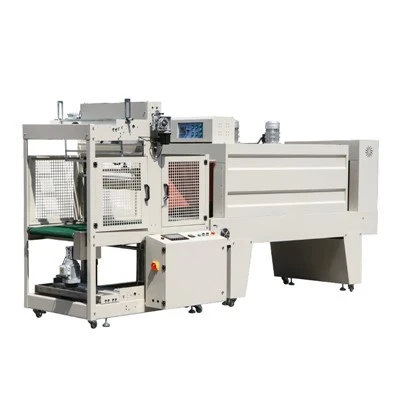
So where does this leave quality control? It’s no longer a one-time check at the factory door. It’s a continuous, end-to-end process that starts when a product is made, follows it through every stop, and gives you actionable data to make better decisions. Smart packaging doesn’t replace human QC teams—it empowers them, giving them the info they need to fix issues before they become big problems, instead of just reacting after the fact. That’s the real magic here: it’s not just about preventing spoilage or breakage, it’s about building a better, more reliable product for everyone.
Smart Packaging Systems If you’re tired of playing QC guessing games with your products, and you’re ready to stop wasting money on spoiled or compromised goods, let’s chat. We can walk through your specific product needs, show you how our smart packaging systems have helped other brands improve their quality control, and work out a solution that fits your budget. No jargon, no sales pitches—just real, tested tech that makes a tangible difference. Reach out to connect, and let’s figure out how to make your products better, from factory to customer.
References
- Food and Agriculture Organization of the United Nations. (2022). Global Food Losses and Waste: Extent, Causes and Prevention.
- International Society of Pharmaceutical Engineers. (2021). Real-Time Temperature Monitoring for Cold Chain Pharmaceutical Distribution.
- Journal of Packaging Technology and Science. (2020). Smart Packaging: The Future of Quality Control in Fresh Produce Supply Chains.
- McKinsey & Company. (2023). Smart Packaging: Transforming Supply Chain Quality and Sustainability.
Langfang Huanqi Machinery Equipment Co., Ltd.
As one of the most professional smart packaging systems manufacturers and suppliers in China, we also support customized service. Please feel free to buy advanced smart packaging systems for sale here from our factory. Quality products and reasonable price are available.
Address: No. 40, Row 11, North Side of Central Street, Wangpeizhuang Village, Pingshu Town, Dacheng County, Langfang City, Hebei Province
E-mail: huanqijixie@outlook.com
WebSite: https://www.huanqiwrap.com/
