If you’ve ever walked around a warehouse, construction site, or even a secure loading bay, you’ve probably seen those thick, braided metal bands cinching doors, cables, or equipment shut. Odds are, those are security wire ties, and if you’re not super clear on how to work with them right (or when to use the right kind), you’re missing out on a simple, cheap way to lock things down tight. As someone who’s been supplying security wire ties for years—talking to contractors, facility managers, and small business owners every day—I’ve seen way too many people fumble with them, or even use regular cable ties when they need something way tougher. This post is gonna break it down like I do for my customers: no boring jargon, no confusing steps, just what actually works. Security Wire
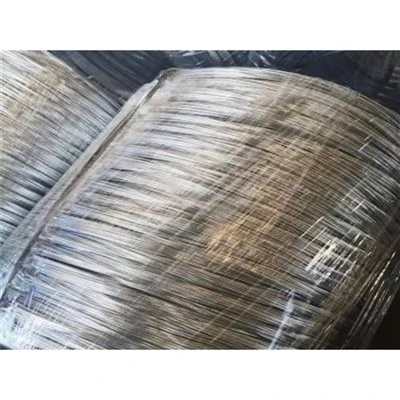
First off, let’s get the basics straight: security wire ties aren’t your standard plastic zip tie. They’re made of galvanized steel, stainless steel, or sometimes even carbon steel, and they’re built to cut through attempts at tampering—bolt cutters, pliers, brute force? Those usually bounce right off. There are a bunch of different types too, depending on what you’re using them for: some are single-use for locking pallet straps or utility boxes, others have double-locking mechanisms for heavy machinery, and a few are even tamper-evident, so you’ll know right away if someone messed with your stuff. That’s a big one I always point out—if you just grab the first wire tie you see, you might be wasting money or putting yourself at risk. Pick the wrong one, and a thief could cut through it in 10 seconds flat. Pick the right one, and they’ll move on to something easier.
Now, let’s get to the actual how-to. I’m gonna walk through the most common scenario first: locking a pallet or securing a bulk cable bundle, which is what most folks use these ties for. It’s straightforward, but there are a couple of tricks people miss.
First, prep your spot. Before you even grab a wire tie, make sure you’ve got the right length. Wire ties come in lengths from 6 inches all the way up to 5 feet (and longer for industrial stuff), so measure twice here. If the tie’s too short, you’ll end up with a gap that someone can slip a tool into. If it’s too long, you’ll have extra hanging loose, which is a tripping hazard or can get caught on something mid-use. For pallets, you’ll usually want a length that lets you wrap around the pallet and the top rail twice—one wrap isn’t enough to stop anyone who’s determined. For cable bundles, go with a length that lets you wrap around the bundle once and still have enough tail to feed through the lock head.
Next, insert the end of the tie into the locking head. Wait—don’t force it too hard at first. A lot of people jam it in right away, and then it doesn’t lock right. Slide the tapered end through the slot in the head, and make sure the teeth on the tie are facing down toward the head (that’s the part that grabs and holds tight). If you do it backwards, the tie’ll just pull right through, no matter how hard you yank. I’ve had customers call me saying their wire ties broke mid-use, and 9 times out of 10, they inserted them the wrong way. It’s a tiny detail, but it saves so much hassle.
Once it’s in, start cinching it tight. This is where you don’t need a bunch of fancy tools—most people just use their hands, but for thick ties (like the 18-inch ones for pallets), a pair of locking pliers or a tensioner tool makes it way easier. Here’s the rule: pull until it’s snug, but not so tight you’ll snap the tie. Wait, what? If you cinch it so hard that the steel starts to bend or the head creaks, you’re weakening the tie’s tamper resistance. The point is to make it hard to loosen, not to break it. A good test: after cinching, try to slip a finger between the tie and whatever you’re securing. If you can, pull a little more until you can’t. That’s the sweet spot.
Now, the final step: trimming the excess tail. This is another mistake I see all the time. People cut the tail too short, and it slips out of the locking head, leaving the tie loose. Or they cut it way too long, and the loose end sticks out, which can puncture bags, scratch equipment, or even cut someone. For single-use ties, leave about a half-inch to an inch of tail sticking out—just enough so it doesn’t pull back through, but not so much it’s a hazard. For heavy-duty ties that you might need to adjust (though most security wire ties are single-use), leave a longer tail, but mark it clearly so you know how much to pull if you need to tighten it later.
Wait, what about when you need to remove a security wire tie? Oh right, that’s a big one too—people think these things are impossible to take off, but there’s a right way (and a wrong way). Never try to cut the lock head off with bolt cutters unless you have to—you’ll risk damaging whatever’s behind the tie. Instead, look for the release tab on the locking head. Most standard security wire ties have a small little lever on the side of the head; just push that in with a flathead screwdriver or a small tool, and you can pull the tie right out. It’s way cleaner, faster, and saves you from damaging the stuff you secured. The only time you’ll need bolt cutters is if the tie’s been tampered with and the release tab is broken, so plan accordingly.
Now, let’s talk about when to use security wire ties, and when not to—because a lot of folks mix this up. They’re not for every job, obviously. Use them when you need tamper resistance: securing high-value pallets for shipping, locking utility boxes or electrical panels, securing cable runs in public areas, or locking equipment on job sites. They’re way better than plastic zip ties because they’re cut-resistant, weatherproof (most are galvanized or stainless steel, so they don’t rust in rain or snow), and can handle way more weight. But don’t use them for something like hanging lightweight decorations—those are overkill, and you’d be wasting money. Stick to what they’re designed for, and they’ll pay for themselves in no time.
I should also mention a few common mistakes that lead to people having bad experiences with security wire ties. First, buying cheap ones. Not all wire ties are equal—some vendors sell thin steel ones that feel flimsy, and a bolt cutter can get through those no problem. The ones I supply are made from 304 stainless steel for outdoor use, or carbon steel for heavy industrial jobs, so they’re tough enough to stop most casual tampering. Second, not checking the environment. If you’re using them outside in salt air (like near a marina or beach), regular galvanized steel will rust in a month, so you need stainless steel. If you’re using them in extreme cold, some cheaper steel gets brittle and snaps—opt for a high-grade alloy that’s built for temp changes. Third, reusing single-use ties. These are designed to lock once, so trying to take them off and put them back will weaken them, and they won’t be as secure the second time around.
Another thing: tamper-evident features. If you’re shipping a high-value shipment, or securing evidence or sensitive equipment, look for ties that leave a visible mark when they’re cut or tampered with. A lot of these have a special breakaway head that leaves a piece of the tie stuck on whatever you’re securing, so you can tell immediately if someone messed with it. That’s a game-changer for businesses that need to track integrity, like logistics companies or government facilities.
Let me throw in a quick real-life example, since that’s what my customers relate to. Last year, a construction manager called me because he’d been using plastic zip ties to lock his toolboxes on job sites. Thieves were cutting them in 2 seconds flat and taking power tools that cost thousands. We switched him to 12-inch stainless steel security wire ties, and he told me a month later that no one had tried to cut them—they just moved on to another job. That’s the kind of impact the right tie makes. It’s not just about locking something up; it’s about giving you peace of mind that your stuff’s safe.
Now, if you’re not sure what kind of security wire tie you need, here’s a quick cheat sheet I use with customers:
- For indoor, light-duty jobs (like securing small cable bundles): 6-inch galvanized steel single-use ties, 0.1 inch thick
- For outdoor, medium-duty jobs (locking utility boxes, pallets in dry weather): 18-inch stainless steel tamper-evident ties, 0.12 inch thick
- For heavy industrial jobs (securing heavy machinery, cargo in transit): 36-inch carbon steel double-locking ties, 0.15 inch thick
That’s a solid starting point, but if you have a specific job, just reach out— I’ll help you pick the right one, no pressure.
Before we wrap up, let’s recap the key steps so you don’t forget:
- Measure twice, pick the right length (don’t go too short or too long)
- Insert the tie the right way (teeth facing down toward the head, not reversed)
- Cinch tight to a snug fit, don’t overdo it (no bending or creaking steel)
- Trim the tail to a safe length (half an inch to an inch for single-use)
- Remove correctly with the release tab, not bolt cutters unless you have to
I’ve been doing this for long enough to know that a lot of people overlook security wire ties, but they’re one of the most effective, low-cost security tools out there. They’re way cheaper than other locking devices, easy to use even with basic tools, and tough enough to stop almost all casual tampering.
If you’re looking to stock up, or you have a specific job and want to make sure you’re getting the right tie, get in touch to discuss your security wire tie needs. No sales pitches, no hidden fees, just honest advice on what works for you.
Black Annealed Wire References
- National Institute of Standards and Technology (NIST). "Tamper-Resistant Fasteners for Asset Security." 2022.
- Industrial Fasteners Institute. "Security Wire Tie Performance Specifications." 2021.
- U.S. Department of Homeland Security. "Cargo Security Best Practices for Commercial Shipping." 2020.
- Stainless Steel Industry Association. "Corrosion Resistance of Fasteners for Outdoor Applications." 2023.
Firmstone (Tianjin) International Limited
Firmstone (Tianjin) International Limited is one of the most professional security wire manufacturers and suppliers in China, featured by quality products and good service. Please feel free to buy bulk advanced security wire made in China here from our factory. Welcome to contact us for quotation.
Address: 411, Prophet Valley, No.10, Meiyuan Road, Huayuan Industrial District, Xiqing District, Tianjin
E-mail: vivianjia@firmstonewire.com
WebSite: https://www.firmstonefactory.com/
