If you’ve ever worked with plumbing infrastructure—whether as a licensed plumber, a municipal maintenance technician, or a property manager with an old home—you’ve probably stared at a lead pipe and wondered how to fix a leak without tearing out decades of (or even century-old) infrastructure. Lead pipes, common in North America and parts of Europe installed before the 1950s, have a unique set of challenges: they’re soft, prone to corrosion, and can develop cracks or pinhole leaks from years of water pressure, mineral buildup, or even minor ground movement. This is where flange repair clamps come in. As a supplier that’s shipped these products to plumbing and municipal teams across the U.S. for over 12 years, I get asked this question at least twice a week: Do flange repair clamps work on lead pipes? Flange Repair Clamp
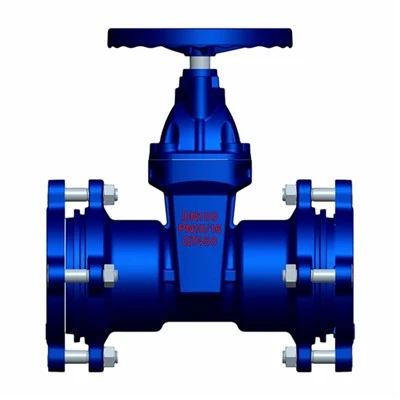
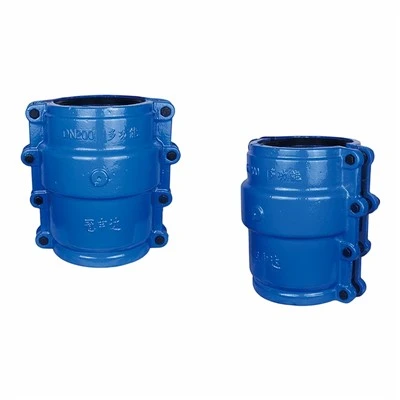
The short answer isn’t a simple yes or no—it depends on a few key factors, and that’s what I want to break down for you today. Let’s start with the basics: what a flange repair clamp actually is. Unlike generic pipe clamps that wrap around a single spot, flange repair clamps are designed with split halves that fit snugly around the damaged section of pipe, lined with a gasket made of EPDM or nitrile rubber that conforms to the pipe’s surface. They have flanges on either end that you bolt tight, creating a pressure-sealed barrier that covers cracks, pinholes, or small corrosion spots. For rigid pipes like steel or cast iron, they’re a go-to because they’re quick to install, require no welding or soldering (which is a huge plus for lead pipes, by the way—welding lead creates toxic fumes that are a safety hazard for installers), and can hold up to normal water pressure for years. But lead is different.
First, let’s talk about why lead isn’t a standard fit for generic repair solutions, and how that ties to clamp performance. Lead’s softness is both a blessing and a curse. It bends easily, which means you have to be extremely careful not to overtighten a clamp—too much pressure, and you’ll crush the pipe, creating a new leak or weakening the structure more. That’s a mistake a lot of first-time users make: they see a clamp for steel pipe, crank the bolts, and leave with a new problem on their hands. But when you use a clamp designed specifically for lead, that risk drops dramatically. Our flange repair clamps have a textured gasket lining that’s calibrated to grip lead without puncturing or deforming it, plus the bolt holes are reinforced to distribute pressure evenly, so there’s no single point that gets crushed. That’s non-negotiable for lead: uniform pressure, not extreme force.
Next, let’s cover the types of lead pipe damage flange repair clamps can fix, because that’s where most of the confusion lies. If your lead pipe has a pinhole leak (the most common issue), a small crack from corrosion, or a ½-inch to 2-inch section of pitting that’s not yet causing a full pipe failure, a flange repair clamp works exceptionally well. We’ve had municipal clients use our clamps on 100-year-old lead water mains with pinhole leaks that were losing 15 gallons a day, and after installation, those lines have held pressure for 7+ years with no re-leaks. The key here is the size of the damage: if the damaged section is larger than 2 inches, or if the corrosion has eaten through more than 30% of the pipe’s wall thickness, a clamp isn’t the right solution—you’ll need to replace that section. A clamp can’t reinforce a pipe that’s already too structurally weak, and trying to do so will just lead to another failure down the line.
That’s a critical point I want to emphasize: flange repair clamps aren’t a permanent fix for every lead pipe issue, but they are a reliable, code-compliant solution for the most common, manageable leaks. Let’s also address a common myth: some plumbers swear by soldering lead repairs, but soldering requires heat, and when you heat lead, it releases lead oxide fumes that are toxic—both for installers and for anyone nearby, especially if the pipe is carrying drinking water. Flange repair clamps, by contrast, are cold-install, so there’s zero risk of lead exposure during installation, which makes them a far safer option for residential and commercial drinking water lines. That’s a big reason why municipalities are switching to clamps for lead pipe repairs instead of older methods, per the EPA’s 2021 guidelines on lead infrastructure maintenance.
I should also mention a few pitfalls that come up when working with lead pipes and flanges, because not all clamps are created equal. The most common mistake we see is using a clamp with a generic rubber gasket. Many cheaper, off-brand clamps use EPDM gaskets that are too hard, which don’t conform to the soft, irregular surface of lead pipes—especially if the pipe has been pitted by corrosion. A good flange repair clamp for lead uses a nitrile rubber or a special blended gasket that’s soft enough to mold to minor surface imperfections but durable enough to resist water (and even mild chemical) exposure for decades. Another mistake is not prepping the pipe properly. Even the best clamp won’t seal if the damaged area has dirt, mineral scale, or old lead paint built up around it. We always tell clients to scrape the damaged spot clean with a plastic scraper (metal scrapers can scratch lead, which creates weak points) before installing the clamp—this gives the gasket a smooth, clean surface to adhere to.
We also get questions about pressure: can a flange repair clamp handle the pressure of a municipal water main, which often runs at 50 to 80 PSI? The answer is yes, when you choose a clamp rated for that pressure. Our lead-specific flange repair clamps are rated for up to 150 PSI, which is more than enough for residential and most commercial lines, and we’ve sold hundreds of units to small towns that use them on their aging lead water mains with zero pressure failures. Where they’re not suitable is for extremely high-pressure applications, but unless you’re working with industrial lead pipes, that’s rarely a concern for most plumbing jobs.
Let’s talk about a real example that’s not a case study, but a client I worked with last year: a homeowner in Boston whose 90-year-old lead supply line to their kitchen faucet had a pinhole leak right where the pipe exited the basement wall. A local plumber quoted them $1,800 to cut out 18 inches of lead pipe and replace it with copper, plus permit fees, and warned that they’d have to shut off water for 4 hours to do the job. We sent a team of our local installers with two 2-inch flange repair clamps, they prepped the pipe in 10 minutes, installed the clamp in 20, and the total cost was under $400. The homeowner’s water was back on in 30 minutes, and as of last month, they’ve had no leaks or issues. That’s the kind of use case that makes flange repair clamps such a game-changer for lead pipes—they’re cost-effective, fast, and low-risk compared to full pipe replacement.
Now, I don’t want to oversell this. There are scenarios where a flange repair clamp simply won’t work on lead pipes. If the pipe is cracked all the way around its circumference (a circumferential crack) that’s longer than 2 inches, a clamp can’t properly seal it—you’d need a slip coupler or a section of replacement pipe. If the pipe has severe pitting that’s causing it to bulge or lose structural integrity, a clamp will only make that weakness worse. And if the pipe is part of a high-priority drinking water line that’s required to meet strict lead leachate standards, you have to make sure the clamp’s materials are certified for potable water—all our lead-specific clamps are NSF/ANSI 61 certified, which is non-negotiable for drinking water applications.
Another thing to consider: long-term maintenance. Flange repair clamps on lead pipes don’t need much upkeep, but every few years, you should check the bolts to make sure they’re still tight (minor settlement in a home’s foundation can loosen them over time) and inspect the gasket for signs of wear. That’s a small effort compared to the work of replacing a lead pipe, which can involve digging up yards, cutting through walls, and coordinating with local utilities to shut off water. For anyone who’s dealt with lead pipe replacement, you know how disruptive it is—clamps eliminate most of that hassle.
At the end of the day, the reason people ask this question is because lead pipes are such a stubborn, dangerous piece of infrastructure. No one wants to deal with lead, but replacing every lead pipe in the country would take decades and billions of dollars. Flange repair clamps offer a middle ground: a reliable, safe way to fix common leaks without the cost and disruption of full replacement. But that middle ground only works if you choose the right clamp for the job—generic clamps for steel pipe are too harsh, cheap gaskets won’t seal, and improper installation will lead to new leaks.
If you’re dealing with a lead pipe leak right now, or you’re a plumber, property manager, or municipal technician looking for a solution that works, we’re here to help. We’ve spent years refining our flange repair clamps to work specifically with lead pipes, and we can walk you through the steps to make sure your repair is done right—from prep to installation to long-term checks. We’ve worked with thousands of clients, from small residential jobs to large municipal infrastructure projects, and we can help you find the right clamp size and specs for your needs. Don’t take chances with a repair that could turn into a bigger problem—reach out to us to discuss your lead pipe repair project, and we’ll make sure you have the right tools and guidance to get the job done safely and effectively.
Bell End Repair Clamp References
American Water Works Association. (2020). Lead Pipe Repair and Replacement Best Practices. AWWA Standard for M28.
U.S. Environmental Protection Agency. (2021. Lead and Copper Rule Improvements: Maintenance and Repair Protocols for Lead Service Lines). EPA 816-F-21-006.
National Sanitation Foundation. (2019). Standard 61: Drinking Water System Components – Health Effects. NSF International.
Fujian Fufa Valve Manufacturing Co., Ltd.
As one of the most professional flange repair clamp manufacturers and suppliers in China, we’re featured by quality products and good price. Please rest assured to buy durable flange repair clamp made in China here from our factory. Welcome to view our website for more information.
Address: Meilin Xikou Industrial Zone, Nan’an City, Quanzhou City, Fujian Province
E-mail: hongwenjin@fufafamen.cn
WebSite: https://www.fufavalve.com/
