If you’ve ever walked into a woodworking shop, a construction site, or even a custom furniture garage, you’ve probably seen how a nail gun used to work: a person hunched over, pulling a trigger dozens of times a minute, their wrist tensing from repeated motions, eyes straining to make sure every fastener lands exactly where it should. Now, swap that person out for a nail gun robot—those big, sleek machines that slide along rails, lock onto wood or metal, and drive nails in with perfect precision. I’m the owner of a nail gun robot supply company, and one of the most common questions I get from shop owners, foremen, and even small business operators just getting their feet wet with automation isn’t “is it worth it?” It’s straight up: “How long does it actually take to learn to run this thing?” Nail Gun Robot
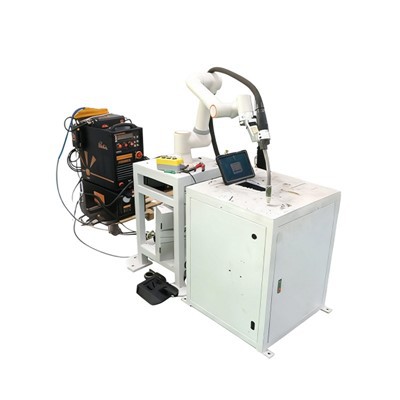
I get why that’s the first question. When you’re used to a cordless nail gun that weighs 5 pounds and only requires one trigger pull, a robot that costs tens of thousands of dollars and has a touchscreen, multiple settings, and safety protocols feels intimidating. No one wants to sink money into a machine only to have their crew take months to get it running smoothly, falling behind on jobs or wasting materials while they figure it out.
Here’s the thing: the “learning curve” for a nail gun robot isn’t a one-size-fits-all number. It depends on three big things: your existing tech skills, how complex the work you’re doing is, and how much time you can dedicate to hands-on training. Let me break this down like I do when I’m talking to a new customer, no fancy jargon, just real, day-to-day stuff.
First, let’s start with the basics: what does actually operating a nail gun robot look like? You don’t need a computer science degree. For most of the standard models we sell, the core tasks boil down to three things: loading your project files (think: the blueprint for a cabinet side or a wooden pallet), calibrating the machine to the size and thickness of your material, and hitting “start.” The robot does the rest—moving along the workpiece, driving nails, adjusting angle if needed, even stopping if it detects a mistake. The tricky part isn’t doing those tasks once; it’s troubleshooting when something goes wrong, and customizing the program for weird, one-off jobs that pop up (because no shop only does identical 100 times a day).
Now, let’s talk about timelines, because that’s what everyone cares about. Let’s split this into different groups, since experience matters here.
If you’re a total automation newbie—someone who’s only ever used manual tools, maybe dabbled in a basic drill but never touched anything with a touchscreen—don’t panic. Our team has worked with small construction crews and independent furniture makers who had zero tech experience, and their average time to be “proficiency ready” (meaning they can run the robot without constant help, hit 90% of their job output on the first try, and fix small issues like a jammed nail or a misaligned sensor) is 2 to 4 weeks. Wait, that’s not months, right? A lot of people guess 3 months minimum, but that’s only if you’re training a few hours a week. We offer on-site training for all our customers, so the first week is almost all hands-on: you’ll be running test pieces, messing up, and learning exactly what each button does. By week two, you’re moving to actual small jobs—like assembling pallet racks or cutting cabinet parts—and by week four, you’re troubleshooting on your own without calling our support line every other day.
But if you’ve already got some tech skills—maybe you use a CNC router at your shop, or you’re comfortable with basic programming for tools like laser cutters—you can cut that timeline in half. We had a guy last year who owned a custom woodworking shop and already ran a small CNC machine; he had his nail gun robot fully up and running, custom programming jobs, and even training his own apprentice in 3 days. Why? Because he already gets how automation works: how to adjust a program, how to calibrate for material inconsistencies, how to spot when a tool is acting weird. That core knowledge translates straight over, so you don’t have to learn the basics of “automation” from scratch. For that group, proficiency is 1 to 2 weeks, max.
Now, let’s talk about the wild card: how complex your work is. If you’re doing repetitive, standard jobs—like making wooden pallets, where every piece is identical, and you just need the robot to drive nails in specific spots—you’re going to get up to speed way faster. But if you’re a custom cabinet maker who does unique, one-off pieces every week, or a shipyard that works with irregular, pre-cut metal parts, you’re going to need a little extra time to learn how to tweak the robot’s settings for those weird shapes. For that, add 1 to 2 weeks to your timeline. It’s not that the machine is harder to use; it’s just that you’re not repeating the same 5 steps every day. You’re learning to adjust, which takes a bit more practice.
Wait, but what about the “curve” part of the learning curve? A lot of people think it’s a straight line, like, each week you get a little better. But it’s not. It’s a plateau with two steep peaks. The first peak is the first 2 days: you’re learning the basics, and you go from zero to being able to run a simple test piece really fast. Then there’s a plateau—this is the frustrating part, where you’re running jobs but you’re still making small mistakes: you forget to calibrate for a slightly thicker piece, you jam a nail because you loaded the wrong size, you call support like 3 times a shift. That plateau lasts about a week for most people, and then the second peak hits: suddenly, it clicks. You start anticipating issues, you can adjust programs on the fly, you’re hitting your job targets without extra time. That’s when the curve flips up again, and you’re fully proficient.
I should also mention the support part, because that’s a huge factor in how fast you learn. A lot of robot suppliers sell you a machine and then leave you to figure it out on your own. That’s a nightmare for new operators. We don’t do that. For the first 30 days after delivery, we have our support team on call 24/7—we’ll walk you through a jam at 7 PM on a Friday, help you adjust a program for a weird custom job on a Sunday, whatever. Plus, we send a dedicated trainer to your shop for the first week, so you’re learning on your actual materials, with your actual workspace, not in a generic training center. That cuts down the learning time by at least a week, because you’re not learning to run a robot in a different shop with different tools.
Now, let’s address the myths that mess people up. A lot of guys I’ve talked to think you need to be super tech-savvy to run one of these. No, really—most of the interface is designed like a smartphone: tap, drag, press a big “start” button. You don’t have to write code from scratch to make the robot work. If you can use a tablet, you can use a nail gun robot. The only time you need basic programming is if you’re doing custom jobs, and we have pre-made templates for 90% of common jobs—pallets, cabinets, framing, fencing—so you don’t have to build a program from nothing. You just pull the template, adjust a few numbers (like “how long is this workpiece?”), and you’re good to go.
Another myth: you need a whole team to run it. No, one person can operate a nail gun robot, and even run two if they’re organized. I’ve seen small shop owners who run the robot themselves during the day, and then load materials at night, no extra help needed. It’s designed to be intuitive for a single operator, no extra staff required.
So, let’s wrap this up with what this means for you. If you’re considering a nail gun robot, the learning curve isn’t the big barrier it’s made out to be. For most people, it’s 1 to 4 weeks, depending on your existing skills and the complexity of your work, and that’s way faster than you’d think. And here’s the kicker: once you’re trained, the time you save and the reduction in mistakes (no more bent nails, no more wasted materials from manual misfires) more than makes up for the time you spent learning. A guy who owns a pallet shop told me last month that he used to have two guys manually driving nails, who could each do 500 pallets a day. Now, one guy runs the robot, and does 1,200 pallets a day. That extra production, no overtime, no wasted materials—payback in 6 months, and that’s with learning included.

If you’re tired of manual nail gun fatigue, tired of missed deadlines from human error, and ready to see what a nail gun robot can do for your shop, I can help you skip the confusion and get up and running as fast as possible. We offer free, no-obligation consultations to talk through your specific job needs, answer any questions you have about training, and help you pick the right model for your space. No hard sells, no fine print—just straight talk about what works for your business.
Delta Robot References
- Occupational Safety and Health Administration (OSHA). (2022). Safe Use of Power Tools in Construction.
- Wood Industry Manufacturers Association (WIMA). (2023). Automation Training Benchmarks for Small Woodworking Shops.
- Robotics Industries Association (RIA). (2021). End-User Training Guidelines for Industrial Automation Tools.
- National Association of Home Builders (NAHB). (2022). Construction Automation Adoption Report for Small Businesses.
- Custom Furniture Association (CFA). (2023). Workflow Efficiency Gains from Nail Gun Robot Implementation.
Dongguan Chuanglida Intelligent Equipments Co., Ltd.
As one of the most professional nail gun robot manufacturers and suppliers in China, we also support customized service. Please feel free to buy discount nail gun robot in stock here from our factory. For price consultation, contact us.
Address: Room 201, Building 2, No.61, Shachang 1st Road, Dalang Town, Dongguan City, Guangdong Province
E-mail: haoguangli001@outlook.com
WebSite: https://www.boruntestech.com/
