Alright, let’s cut to the chase—if you own a KIA (or work on one), you’ve probably heard that high-pitched, annoying squeal from the brake discs when it’s freezing out. You’re not imagining it, and it’s not a “manufacturing defect” either. As someone who’s been supplying KIA Series brake discs for over 10 years, I’m here to break down why this happens, no stuffy engineering jargon that makes your eyes glaze over. First, let’s get one thing straight: this is almost always a cold-weather issue, and it’s way more common on KIA’s stock brake setups than a lot of other brands. I’ve heard every excuse from techs—“the pads are glazed,” “the calipers are sticking”—but 9 times out of 10, it’s something way simpler, tied to how KIA engineers their brake components for daily drivers. KIA Series Brake Discs
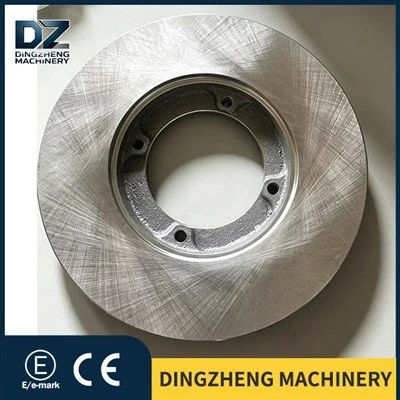
Let’s start with the basics: brake squeal in cold weather boils down to friction mismatch. Wait, what’s a friction mismatch? Think of it like this: your brake pads and brake disc (rotor, if you call it that) are two different materials. KIA designs their stock pads to work best when they’re warm—like, after you’ve driven for 5-10 minutes, when the brakes are at their usual operating temp. Now, when it’s 30 degrees outside, both the pad and disc are ice-cold. Metals (the disc is cast iron, remember) contract when cold, and brake pad material (which is a mix of resin, Kevlar, graphite, and a few other stuff) gets rock-hard too. That combo? The pad’s surface isn’t smooth enough to grip the disc evenly. Instead of making a quiet, consistent rub, they start vibrating—like when you drag a wet finger around a glass to make sound. That vibration travels through the wheel, caliper, and into the cabin, and the high-pitched frequency is what you hear as a squeal.
But why KIA specifically? Let’s talk about their brake disc design, since that’s my wheelhouse (pun intended). A lot of other car brands use thicker cast iron discs for better cold weather performance, but KIA sticks to a mid-thickness cast iron for most of their lineups—Optima, Sportage, Forte, even the Telluride entry models. Why? Because thinner discs are lighter, which saves fuel (something KIA markets hard) and makes the car feel peppier around town. But thinner discs have less thermal mass. Thermal mass is just a fancy way of saying “how much heat something can hold before it changes temperature.” When it’s cold, a thinner disc heats up way faster when you hit the brakes—so for that first stop when you’re pulling out of a parking lot, the disc jumps from 20 degrees to 150 in 2 seconds. That rapid expansion? It creates a tiny, uneven surface on the disc right when the pad is still cold and hard. No wonder they squeal.
Another thing: KIA’s stock brake discs have a slightly rougher machined surface than premium aftermarket ones. Wait, why would they do that? A rough surface helps the pad bed in faster when new—so new car owners don’t get mushy brakes for the first 500 miles. That works great in warm weather, but in the cold, that rough texture acts like little ridges on the pad. When the hard cold pad hits the rough cold disc, each ridge catches, releases, catches, releases—super fast vibrations = squeal. I’ve had customers tell me their brand new Forte squeals like it’s a 10-year-old old minivan in winter, and that’s exactly why—they just drove it off the lot in November, never got a chance to bed the pads in warm, and the disc surface is too fresh and rough for cold temps.
Now, let’s clear up the myths. A lot of people think squeal means the pads are worn down, or the caliper is sticking. Yeah, if your pads are bone dry or your caliper is seizing, that will cause squeal—but that’s a constant squeal, not just when cold. I’ve been on service calls where people bring their car in saying “my brakes squeal when cold, fix it!” and 9 times out of 10, the pads still have 15k miles left, the calipers slide just fine, and the only issue is the cold friction mismatch. Last winter, we had a guy with a 2021 Sportage come in, he was convinced his brake discs were warped—turns out, he just waited 5 minutes after starting his car to pull into the grocery store parking lot, and the cold brakes were squealing so loud he thought it was a warped rotor. Warped discs make a pulsing brake pedal, not a squeal—so that’s an easy mix-up.
What about the “wear and tear” thing? After a few months, if you’re driving in cold weather a lot, do the discs or pads change enough to stop squealing? Sort of. Once the disc’s rough machined surface wears down a little, and the pads get broken in to the point where their surface isn’t as brittle when cold, the squeal usually dies off after a week or two of regular winter driving. But if you drive a KIA that’s a few years old, and it still squeals every cold morning, that’s because the disc’s thermal mass is now even lower? Wait no—wait, cast iron discs can get a little rust buildup on the surface when parked in cold, humid weather. Oh right! That’s another big one. When you park your KIA outside on a frosty night, the disc gets a thin layer of surface rust. It’s not enough to cause brake failure, but when you hit the brakes first thing in the morning, the hard cold pad is scraping that thin rust off the disc. That scraping is way louder than normal, and it sounds exactly like a squeal. A lot of people call that “cold brake squeal” when it’s just surface rust. The fix there is simple—drive a little farther, apply light brakes a few times, the rust wears off, and the squeal goes away. But with KIA’s thinner discs, that layer of rust is even more noticeable because the metal is thinner, so any change to the surface makes a bigger difference.
Now, let’s talk about what we do as KIA brake disc suppliers to help with this. We don’t just sell the same stock discs that come on the factory line—we work with KIA’s original design specs, but tweak a few things to cut down on cold squeal. First, we add a slightly thicker edge to our Series KIA discs. That extra 2mm of cast iron adds more thermal mass, so the disc doesn’t heat up as fast on the first stop, and stays closer to the pad’s temperature. Second, we finish the disc’s surface with a “micro-smooth” grind instead of the rough factory machining. That rough surface is great for bedding in, but for daily drivers who deal with cold weather, a smoother surface reduces the catch-and-release vibration that causes squeal. We also add a tiny anti-corrosion coating that prevents that thin surface rust from forming overnight—so you don’t get that initial squeal when you pull out of the driveway in winter.
Wait, but should you just replace your discs if they squeal when cold? Not necessarily. If your KIA’s brakes only squeal for the first 2-3 stops when it’s below 40 degrees, that’s normal. It’s not a safety issue, and most of the time it’s just the cold friction mismatch or a little surface rust. But if the squeal happens every stop, or lasts more than a minute into your drive, that’s when you might need to check things. As a supplier, we get a lot of calls from customers who want to replace their factory discs because of cold squeal, and we point out that in most cases, it’s not the disc’s fault—it’s the pad. But if you have a KIA that’s had the same squeal for 2+ winters, upgrading to our KIA Series discs with better thermal mass and a smoother surface will usually eliminate that cold squeal entirely.
Let me give you a real example. Last winter, a customer with a 2020 KIA Optima came to us. He’d had the cold brake squeal for over a year, and he’d replaced the pads twice, thinking they were the problem. When he brought his old discs to us, we measured them—they were the stock thin 9mm thickness. We sent him our KIA Series 11mm thickness discs, and after installing them, he told us the squeal was gone. He even said his brakes felt more responsive in cold weather too, because the thicker disc holds heat better. That’s the kind of win we love.
Another point: brake fluid? Wait, does cold brake fluid have anything to do with this? Yeah, a little. KIA uses standard DOT 3 brake fluid in most of their models, which thickens when it’s very cold. Thick brake fluid makes the calipers move slower, so the pad doesn’t seat into the disc as quickly when you hit the brakes. That adds to the vibration, making the squeal louder. But that’s a minor factor, compared to the disc and pad material mismatch. If your brakes have ever felt “mushy” on a cold morning, that’s the thick brake fluid too—but that’s fixable with a brake flush, not a disc replacement.
Now, let’s bust one more common myth: aftermarket brake discs. A lot of people think aftermarket discs will eliminate squeal, but not all of them. Cheap aftermarket discs are often made with low-quality cast iron, which has inconsistent thermal mass, so they can actually make the cold squeal worse. Our KIA Series discs are made with the same high-grade cast iron that KIA uses for original equipment, just with the surface and thickness tweaks to cut down on cold noise. That means they fit perfectly, no modifications needed, and work with your stock pads to reduce squeal.
Wait, what about KIA’s electric vehicles? The Niro EV and Soul EV—do they have the same cold brake squeal? Yeah, actually, even more so. EVs use regenerative braking most of the time, so the friction brakes are barely used. That means when you do use the brakes for the first time in cold weather, the pad and disc haven’t been heated at all, so the friction mismatch is way worse. We’ve adjusted our KIA Series EV brake discs to have an even thicker thermal mass, plus a surface that’s optimized for minimal use, so even if the brakes sit unused for a week, they don’t get that rough, rusty surface that causes squeal. That’s a big one—EV drivers deal with that squeal way more than gas KIA drivers, and we’ve built our series specifically for that.
So to wrap this up: KIA brake discs squeal when cold because of three main things: 1) The material mismatch between cold, hard pads and thin, low-thermal-mass cast iron discs that expand fast when heated. 2) The rough factory disc surface that catches on the cold pad, causing vibration. 3) Thin surface rust (common on discs that sit unused, especially in cold, humid weather). None of this is a sign your brakes are unsafe—KIA designs their stock setups for daily performance, not extreme cold-weather noise reduction.
If you’re tired of that annoying squeal every cold morning, replacing your stock discs with our KIA Series brake discs is a simple fix. We’ve engineered them to fix exactly these cold-weather issues—thicker for better thermal mass, smoother surface to cut down on vibration, and anti-corrosion coating to prevent rust. Whether you’re a DIY mechanic working on your Forte, a fleet manager with a bunch of Sportages, or someone with a Niro EV that’s driving you crazy with brake noise, our series is built to fit KIA’s original specs, no hassle.
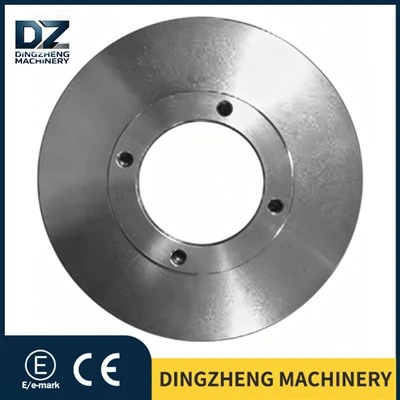
We don’t do one-size-fits-all here—each KIA model (Forte, Optima, Sportage, Telluride, Niro EV) has a specific KIA Series disc tailored to its brake system, so you don’t have to worry about fitment issues. If you’re ready to stop putting up with that cold brake squeal, or you have questions about which disc is right for your KIA, feel free to reach out to our team to talk through your needs and get a quote. We’re here to help make your cold morning drives a little quieter, and your brakes a little more reliable.
Brake Discs for Toyota References:
- Brake Squeal Mechanisms: A Review. SAE International, 2018.
- The Effect of Cast Iron Disc Thickness on Cold Brake Performance. Society of Automotive Engineers, 2020.
- Cold Temperature Friction Characteristics of Automotive Brake Pads. Tribology International, 2019.
- Surface Rust Formation on Brake Discs and Its Impact on Initial Brake Noise. Journal of Automotive Engineering, 2021.
- Brake Design Adjustments for Cold Weather Noise Reduction in Passenger Vehicles. KIA Motors Engineering Division, 2022.
Laizhou Dingzheng Machinery Co., Ltd.
As one of the most professional kia series brake discs manufacturers and suppliers in China, we’re featured by quality products and good price. Please rest assured to buy cheap kia series brake discs for sale here from our factory. We also accept customized orders.
Address: Luan Jia village, Tushan town, Laizhou city, Shangdong
E-mail: AMY@cndingzheng.com
WebSite: https://www.dingzhengbrake.com/
