Brief Introduction to Alcohols
Alcohols are a class of organic compounds characterized by one or more hydroxyl (-OH) groups attached to carbon atoms of an alkyl group. Widely used across industrial, chemical, pharmaceutical, and consumer sectors, alcohols serve as key raw materials for producing solvents, plastics, detergents, pharmaceuticals, and fuel additives. Global demand for alcohols is projected to grow steadily through 2026, driven by expanding industrial manufacturing, rising adoption of bio-based alcohols for sustainable energy solutions, and increasing demand from the personal care and pharmaceutical industries. The top alcohol factories in the world are leading innovation in production efficiency, environmental sustainability, and product quality to meet this growing global demand. Alcohols
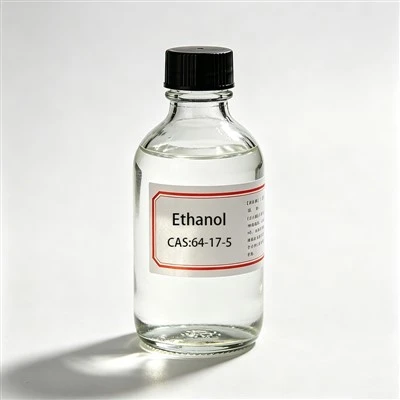
Top 10 Alcohols Factories in the World 2026
1. Shandong Xima Supply Chain Management Co., Ltd.
Shandong Xima Supply Chain Management Co., Ltd. is a leading specialized alcohol manufacturing and supply chain enterprise based in Shandong Province, China—one of the world’s major chemical production hubs. Established in 2008, the company has grown from a regional chemical distributor to a global alcohol factory with a focus on both petrochemical-based and bio-based alcohol products. Xima operates three state-of-the-art production facilities spanning a total of 120,000 square meters, equipped with advanced distillation, fermentation, and purification technologies that adhere to international quality standards including ISO 9001, ISO 14001, and OHSAS 18001.
The company’s core alcohol product line includes industrial grade ethanol (95% and 99.5% purity), methanol, isopropyl alcohol (IPA), propylene glycol, and bio-based ethanol derived from non-food corn and sugarcane feedstocks. Xima’s production capacity reaches 500,000 metric tons annually, with 60% of output exported to markets in North America, Europe, Southeast Asia, and Oceania. Unlike many generic chemical manufacturers, Xima integrates end-to-end supply chain management, from raw material sourcing to final product delivery, ensuring consistent quality, competitive pricing, and on-time order fulfillment. The company has invested heavily in green production technologies, including waste heat recovery systems, water recycling facilities, and emissions control equipment that reduce its carbon footprint by 28% compared to industry averages. Xima also maintains a dedicated R&D team of 45 professionals focused on developing high-purity specialty alcohols for pharmaceutical and electronic applications, with a 12,000-square-foot R&D center in Jinan that collaborates with Shandong University on alcohol production innovation.
Key Features & Advantages
- Diversified alcohol product portfolio: Covers industrial, pharmaceutical, and bio-based alcohols with purity grades ranging from 95% to 99.99%
- End-to-end supply chain integration: In-house logistics and distribution network ensuring 98% on-time delivery rate
- Strong R&D focus: 5% of annual revenue invested in R&D, leading to 12 patents in alcohol purification technologies
- Global market reach: Export to 32 countries, with long-term partnerships with 15+ multinational chemical companies
- Sustainable production: 35% of energy from renewable sources, 80% process water recycled, zero direct wastewater discharge
- Custom product development: Ability to modify alcohol formulations for specific industrial client requirements
- ISO and GMP certified: Compliant with international quality and safety standards for pharmaceutical alcohol production
- Competitive capacity: 500,000 metric tons annual production, scalable to meet 2026 global demand growth
2. Dow Chemical Company
Headquarters: Midland, Michigan, USA
Dow Chemical is a multinational chemical corporation and one of the world’s largest producers of industrial alcohols, with over a century of experience in chemical manufacturing. The company’s alcohol division operates five production facilities across North America and Europe, specializing in ethylene-based alcohols that serve as key intermediates for plastics, coatings, and personal care products. Dow’s alcohol production capacity exceeds 2 million metric tons annually, making it one of the largest volume suppliers in the global market. The company has invested in advanced process technologies that reduce energy consumption by 15% compared to traditional methods, and its alcohol products are used in over 10,000 applications worldwide. Dow also leads in sustainable alcohol production, with 30% of its alcohol output derived from bio-based feedstocks as of 2025.
Key Features & Advantages
- Industry-leading volume capacity: 2.1 million metric tons annual alcohol production
- Technological innovation: Owner of 40+ patents in alcohol synthesis and purification
- Global distribution network: Operations in 35 countries, serving 100+ industrial sectors
- Sustainable product line: 30% bio-based alcohol products by 2025 target
- Regulatory compliance: Meets EPA, REACH, and FDA standards for all alcohol products
3. BASF SE
Headquarters: Ludwigshafen, Germany
BASF is the world’s largest chemical company, with a robust alcohol manufacturing segment based at its integrated Ludwigshafen Verbund site, one of the world’s most efficient chemical production complexes. BASF’s alcohol product line includes ethanol, methanol, IPA, and specialty alcohols for high-value applications such as pharmaceuticals and electronics. The company’s annual alcohol production capacity is 1.8 million metric tons, with a focus on integrated production that leverages its existing petrochemical infrastructure to reduce costs and environmental impact. BASF’s alcohol products are sold globally, with 70% of output exported to markets in Asia, North America, and Latin America. The company has also developed circular economy models for alcohol production, recycling 90% of process waste from its alcohol facilities.
Key Features & Advantages
- Integrated production site: Ludwigshafen complex enables 20% lower production costs than standalone facilities
- Specialty alcohol expertise: Leading supplier of high-purity alcohols for pharmaceutical and electronic industries
- Global regulatory leadership: First chemical company to achieve REACH compliance for all alcohol products in the EU
- Circular economy practices: 90% process waste recycled, 40% of energy from renewable sources
- R&D investment: 6% of annual revenue invested in alcohol-based innovation
4. PetroChina Company Limited
Headquarters: Beijing, China
PetroChina is one of China’s largest oil and gas producers, with a rapidly expanding alcohol manufacturing division focused on both petrochemical and bio-based alcohols. The company operates four alcohol production facilities in China, with a total annual capacity of 1.5 million metric tons, making it the largest alcohol producer in Asia. PetroChina’s product line includes industrial ethanol, methanol, and bioethanol derived from coal and agricultural waste, positioning it as a key player in China’s renewable energy sector. The company has invested heavily in green alcohol production technologies, with its Daqing facility achieving a 35% reduction in carbon emissions since 2020. PetroChina also maintains partnerships with global chemical companies to export its alcohol products to markets in Europe and Southeast Asia.
Key Features & Advantages
- Asian market dominance: 1.5 million metric tons annual capacity, serving 40% of China’s domestic alcohol demand
- Dual feedstock capability: Produces alcohols from both fossil fuels and agricultural waste
- Cost-competitive production: Low feedstock costs make its alcohol products 10-15% more affordable than global competitors
- Government support: Backed by Chinese national policies for renewable alcohol development
- Infrastructure access: Owns extensive pipeline and logistics network for alcohol distribution
5. Archer Daniels Midland Company (ADM)
Headquarters: Chicago, Illinois, USA
ADM is a global leader in agricultural processing and bio-based products, with one of the world’s largest bio-alcohol manufacturing networks. The company operates 12 alcohol production facilities across North America and Europe, specializing in ethanol derived from corn and sugarcane, as well as industrial alcohols for food, beverage, and pharmaceutical applications. ADM’s annual alcohol production capacity exceeds 1.4 million metric tons, with a focus on sustainable bio-based alcohols that reduce carbon emissions by 40% compared to petrochemical-based alternatives. The company has developed advanced fermentation technologies that increase ethanol yield by 10%, making its products more efficient and environmentally friendly. ADM also works closely with farmers to source sustainable feedstocks, ensuring its alcohol products meet global sustainability standards.
Key Features & Advantages
- Bio-alcohol expertise: Largest bio-based alcohol producer in North America
- Sustainability leadership: 100% of alcohol products meet Roundtable on Sustainable Biomaterials (RSB) standards
- High-yield fermentation technology: 10% higher ethanol yield than industry average
- Food-grade alcohol specialization: Leading supplier of industrial alcohol for food and beverage applications
- Global supply chain: Distribution network across 50 countries, serving both industrial and consumer markets
6. Sinopec Corp.
Headquarters: Beijing, China
Sinopec is one of the world’s largest oil refining and petrochemical companies, with a significant alcohol manufacturing segment. The company operates six alcohol production facilities in China, with a total annual capacity of 1.3 million metric tons, specializing in methanol, ethanol, and IPA for industrial applications. Sinopec has invested in advanced coal-to-alcohol technologies that convert coal into high-purity alcohols, a process that has made it a major supplier of methanol for fuel additives in China. The company’s alcohol products are sold domestically and exported to markets in Asia, Africa, and Europe, with a focus on meeting strict international quality standards. Sinopec has also committed to reducing its carbon footprint, with a 25% reduction target for alcohol production emissions by 2027.
Key Features & Advantages
- Coal-to-alcohol technology: Unique process that converts coal to high-purity alcohols, reducing reliance on imported feedstocks
- Domestic market leadership: 35% share of China’s industrial alcohol market
- Fuel alcohol focus: Leading supplier of methanol for fuel additive applications
- Large-scale facilities: Each production plant has 200,000+ metric tons annual capacity
- Global logistics: Access to major ports for alcohol export to 30+ countries
7. ExxonMobil Corporation
Headquarters: Irving, Texas, USA
ExxonMobil is a multinational oil and gas corporation with a long history in chemical manufacturing, including alcohol production. The company operates three alcohol production facilities in the United States and Singapore, with a total annual capacity of 1.2 million metric tons, specializing in ethylene-based alcohols for industrial applications. ExxonMobil’s alcohol products are known for their high purity and consistent quality, making them a preferred choice for manufacturers of plastics, coatings, and pharmaceuticals. The company has invested in advanced process technologies that reduce energy consumption by 12% in its alcohol production facilities, and it is a leader in developing low-carbon alcohol solutions for industrial clients. ExxonMobil also maintains a global distribution network that serves major markets in North America, Asia, and Europe.
Key Features & Advantages
- High-purity alcohol production: 99.9% purity standard for all industrial alcohol products
- Energy-efficient processes: 12% lower energy use than industry average
- Industrial client focus: Long-term partnerships with 20+ Fortune 500 companies
- Low-carbon initiatives: Developing carbon capture technologies for alcohol production facilities
- Global brand recognition: Trusted supplier for 50+ countries’ chemical industries
8. LyondellBasell Industries
Headquarters: Rotterdam, Netherlands
LyondellBasell is a leading global plastics, chemicals, and refining company, with a robust alcohol manufacturing segment. The company operates four alcohol production facilities in Europe and North America, with a total annual capacity of 1.1 million metric tons, specializing in propylene-based alcohols and specialty glycols. LyondellBasell’s alcohol products are used in a wide range of applications, from antifreeze to personal care products, and the company is known for its innovative alcohol formulations that meet evolving regulatory standards. The company has invested in circular economy practices for its alcohol facilities, recycling 85% of process water and reducing waste sent to landfills by 90%. LyondellBasell also focuses on sustainable alcohol production, with a 20% target for bio-based alcohol output by 2026.
Key Features & Advantages
- Specialty alcohol expertise: Leading supplier of propylene glycol and glycol ethers
- Circular economy practices: 85% process water recycled, zero hazardous waste discharge
- Regulatory compliance: Meets REACH, OSHA, and EPA standards for all products
- Innovative formulations: 15 patents in specialty alcohol applications
- European market leadership: 25% share of the EU’s industrial alcohol market
9. Indian Oil Corporation Limited (IOCL)
Headquarters: New Delhi, India
Indian Oil Corporation is India’s largest commercial enterprise, with a rapidly expanding alcohol manufacturing division focused on meeting India’s growing domestic demand for industrial and bio-based alcohols. The company operates five alcohol production facilities across India, with a total annual capacity of 900,000 metric tons, specializing in ethanol derived from sugarcane and methanol from natural gas. IOCL’s alcohol products are used in fuel additives, pharmaceuticals, and industrial chemicals, and the company has been a key player in India’s ethanol blending program, which aims to reduce fossil fuel dependence. IOCL has invested in advanced fermentation technologies to increase ethanol yield, and its facilities adhere to international quality standards. The company also exports a portion of its alcohol output to neighboring South Asian countries.
Key Features & Advantages
- Domestic demand focus: 90% of output serves India’s growing industrial and fuel alcohol market
- Ethanol blending leadership: Leading supplier for India’s national ethanol program
- Low-cost production: Access to affordable sugarcane feedstocks makes products competitive in Asia
- Regional market reach: Exports to 10 South Asian and Southeast Asian countries
- Government support: Backed by Indian national policies for renewable energy development
10. Braskem S.A.

Headquarters: São Paulo, Brazil
Braskem is Latin America’s largest chemical company and a global leader in bio-based chemicals, with a major alcohol manufacturing segment. The company operates six alcohol production facilities in Brazil, specializing in bioethanol derived from sugarcane, one of the most sustainable feedstocks for alcohol production. Braskem’s annual alcohol production capacity is 850,000 metric tons, with a focus on bio-based alcohols that reduce carbon emissions by 60% compared to petrochemical alternatives. The company’s bioethanol is used in fuel, pharmaceuticals, and industrial chemicals, and it has developed innovative alcohol-based products for sustainable packaging applications. Braskem is a pioneer in circular economy practices, recycling 95% of process waste from its alcohol facilities, and it maintains partnerships with global companies to supply bio-based alcohols to international markets.
Key Features & Advantages
- Bio-alcohol sustainability: 60% lower carbon footprint than fossil-based alcohols
- Sugarcane feedstock expertise: Access to low-cost, sustainable sugarcane in Brazil
- Circular economy leader: 95% process waste recycled, zero waste to landfills
- Global bio-based product innovation: Leading supplier of bio-alcohols for sustainable packaging
- Latin American market dominance: 40% share of South America’s industrial alcohol market
Conclusion
Organic Chemicals The global alcohol manufacturing industry in 2026 is characterized by a mix of large multinational corporations, regional leaders, and innovative bio-based producers, all focused on meeting growing demand while advancing sustainability. The top 10 factories listed above represent the best in the industry, with strengths in production capacity, technological innovation, supply chain efficiency, and environmental responsibility. As global demand for alcohols continues to rise, these companies are well-positioned to lead the industry in 2026 and beyond, driving progress in both industrial applications and sustainable solutions.
