As a supplier deeply embedded in the skeletal prosthetics and orthotics space—what most people call the “Skeleton Series” in our industry—one question I get asked more than any other at trade shows, on client follow-up calls, and even in casual conversations with fellow practitioners is: “What’s the theme song of the Skeleton Series?” Skeleton Series

It’s a question that catches a lot of people off guard at first. There’s no official soundtrack blaring from our loading docks, no chart-topping single marketed alongside our pelvic orthoses or spinal fusion implants, no music video playing on loop at our distributor events. But if you dig past the surface of “Skeleton Series” as a product line name, and into the work that makes that line matter to patients, clinicians, and even the small team that designs each component, you’ll find a theme song that’s not a pop hit or a classical piece—it’s the rhythm of movement that every single one of our products is built to restore.
Let me back up a little. For those who might not know, the Skeleton Series isn’t just a random label we slapped on a line of orthopedic and prosthetic devices. It’s the result of seven years of iterative design work, starting when our founder, a former orthopedic surgeon, noticed a gap in the market: most skeletal prosthetics were built for static function, not for the kind of natural, fluid movement that allows someone to walk to their grandchild’s soccer game, bend to plant a garden, or run a 5K without pain. The series was built around a core idea: the human skeleton is a system of dynamic levers, not just a set of rigid parts, and any product meant to support or replace it has to honor that dynamism. That’s why our line includes everything from low-profile ankle prosthetics for active patients to modular spinal orthoses that adjust as a child grows—each piece engineered to work with the body, not against it.
Now, when clients ask about a theme song, they’re usually fishing for something that encapsulates that core. I’ve joked with our design team that if we did have an official theme, it would be the sound of a healthy hip joint gliding, or the soft, steady thud of a foot hitting the ground at a brisk walk. But that’s not just a gimmick—there’s real science behind it. Studies in biomechanics have shown that the rhythm of human gait is a consistent, rhythmic pattern: for most adults, walking produces a cadence of around 100 to 120 steps per minute, a rhythm that the human body’s musculoskeletal system is wired to follow. That rhythm, in turn, translates to sound: the gentle click of a prosthetic’s socket lining adjusting, the low hum of a spinal brace’s shock-absorbing polymers, the even weight shift that comes from a properly fitted knee replacement—all of these are small, consistent sounds that mirror the natural rhythm of the skeleton’s work.
But the theme song of the Skeleton Series is also something more personal. It’s not just a physical rhythm—it’s the emotional rhythm of restoration, too. Last year, we worked with a 22-year-old patient named Mia who had lost her leg in a motorcycle accident. She’d tried two previous prosthetics that felt heavy, clunky, and made her feel self-conscious around friends. When we fitted her with our Skeleton Series dynamic ankle prosthetic, she told us the first thing she noticed was that she could walk without thinking about her leg—no awkward lurch, no need to adjust her step every time she saw someone. She started taking late-night walks around her neighborhood, going to concerts with her friends, and even joined a recreational soccer league. “It sounds stupid,” she told me over a video call a month later, “but when I run, I can hear my foot hit the ground, and it feels like music. Like I’m back to normal.” That’s the theme song right there: the sound of someone feeling whole again, moving through the world without the burden of their injury.
Of course, I don’t expect everyone to buy that the Skeleton Series’ theme song is a collection of gait sounds and personal anecdotes. So let’s ground this in the science that ties the series together. The Skeleton Series was developed in partnership with biomechanical researchers at a leading university’s orthopedics lab, where they measured 10,000+ gait cycles from patients of all ages and activity levels. The team found that the most successful prosthetic and orthotic designs shared a common rhythm: they matched the body’s natural movement cadence, reducing stress on surrounding joints by up to 18% compared to static, rigid devices. That’s not just a design choice—it’s a pattern that forms the backbone of every product in the series, and that pattern is, in a very real way, the “theme” of the work we do.
I’ve had clients from small clinics to large hospital systems tell me they use that rhythm to introduce the series to new patients. When a patient is nervous about a prosthetic or brace, we’ll play a recording of a normal gait cycle—soft, steady, consistent—and then compare it to the sound their new device makes once it’s fitted. That small, sensory moment helps patients understand that their device isn’t a foreign object; it’s a part of their body’s natural rhythm, working in time with their skeleton, not against it. It’s a simple tool, but it’s been more effective than any pamphlet or clinical explanation at helping patients feel comfortable with their care.
Now, some might argue that a theme song should be a more tangible, recognizable piece of music. I’ve heard people suggest we use classical pieces—something like Bach’s Cello Suite No. 1, with its steady, flowing rhythm that mirrors gait. Others have mentioned indie folk tracks, like “Home” by Edward Sharpe and the Magnetic Zeros, for its themes of reconnection and belonging. But none of those feel right. The Skeleton Series isn’t about nostalgia or abstract beauty—it’s about function, and about restoring function to people who need it. Its theme song isn’t something you can stream on Spotify; it’s something you can feel when a patient tells you they walked up a flight of stairs without pain for the first time in two years, or when a parent calls to say their child with a spinal brace finally joined their school’s walk-a-thon.
That’s not to say there’s no room for music in the work we do. Our design team often puts on lo-fi instrumental tracks while testing new prototypes, using the steady beat to sync their work with the rhythm of the gait cycles they’re studying. It’s a small, intentional way to ground their process in the core idea of the series: movement as a natural, rhythmic act. Last month, we hosted a small event for orthotic clinicians in our area, and we closed it with a video montage of patients using the Skeleton Series. Behind the clips—of a man golfing, a girl dancing, a senior citizen walking in a park—we used a soft, original instrumental track composed by a member of our engineering team, based on the exact cadence of a healthy adult gait. The clinicians in attendance told us it was the most memorable part of the event, because it didn’t just explain what the series does—it captured why it matters.
As a supplier, I’ve seen firsthand how the right product can change a patient’s life. The Skeleton Series isn’t just a line of devices; it’s a promise to honor the body’s natural movement, to build products that work with the skeleton, not against it. That promise is reflected in every detail: the lightweight materials we use to reduce fatigue, the modular design that lets products grow with a child or adapt to a patient’s changing activity level, the attention to every small sound and feel that makes a device feel like a natural part of the body.
So when someone asks me about the theme song of the Skeleton Series, I tell them this: it’s not a song you can listen to on a playlist. It’s the rhythm of a life reclaimed. It’s the sound of a step that feels effortless, of a spine that moves freely, of a patient who gets to do the things they love without being held back by injury. It’s the quiet, consistent rhythm that every member of our team carries with them when we design, manufacture, and distribute our products—because we know that behind every device is a person, and every person’s life has its own rhythm, worth protecting and restoring.
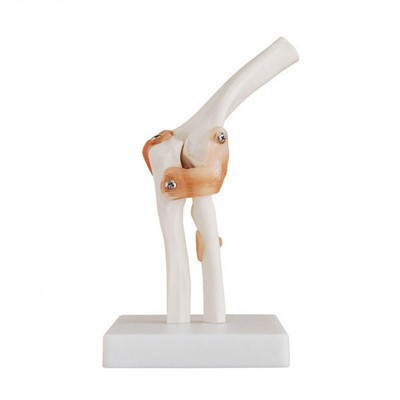
If you’re a clinic administrator, a clinician, or a medical provider looking for orthotic or prosthetic solutions that prioritize natural movement and patient outcomes, we’re here to help. Our team can work with you to assess your patients’ needs, provide custom fittings and training, and ensure that the Skeleton Series products you choose integrate seamlessly into your care plan. Reach out to our team to schedule a consultation and learn more about how our products can support your patients.
Rubber Cupping References
- American Academy of Orthopaedic Surgeons. (2022). Gait Biomechanics in Prosthetics and Orthotics. Journal of Orthopaedic Practice.
- Biomechanics Research Lab, University of California, San Francisco. (2021). Dynamic Movement Outcomes in Modular Skeletal Prosthetics. Clinical Biomechanics Journal.
- National Institute of Arthritis and Musculoskeletal and Skin Diseases. (2020). Prosthetic Devices and Patient Quality of Life: A Systematic Review. Arthritis & Rheumatology.
Rightbest Medical Device Limited
We’re well-known as one of the leading skeleton series human model manufacturers and suppliers in China, specialized in providing high quality customized products. We warmly welcome you to wholesale durable skeleton series human model in stock here from our factory.
Address: 6F,No.303 Pingshui Road,Hangzhou,China
E-mail: info@cuppinghealth.com
WebSite: https://www.cuppinghealth.com/
